How to style shelves
How to Style Shelves
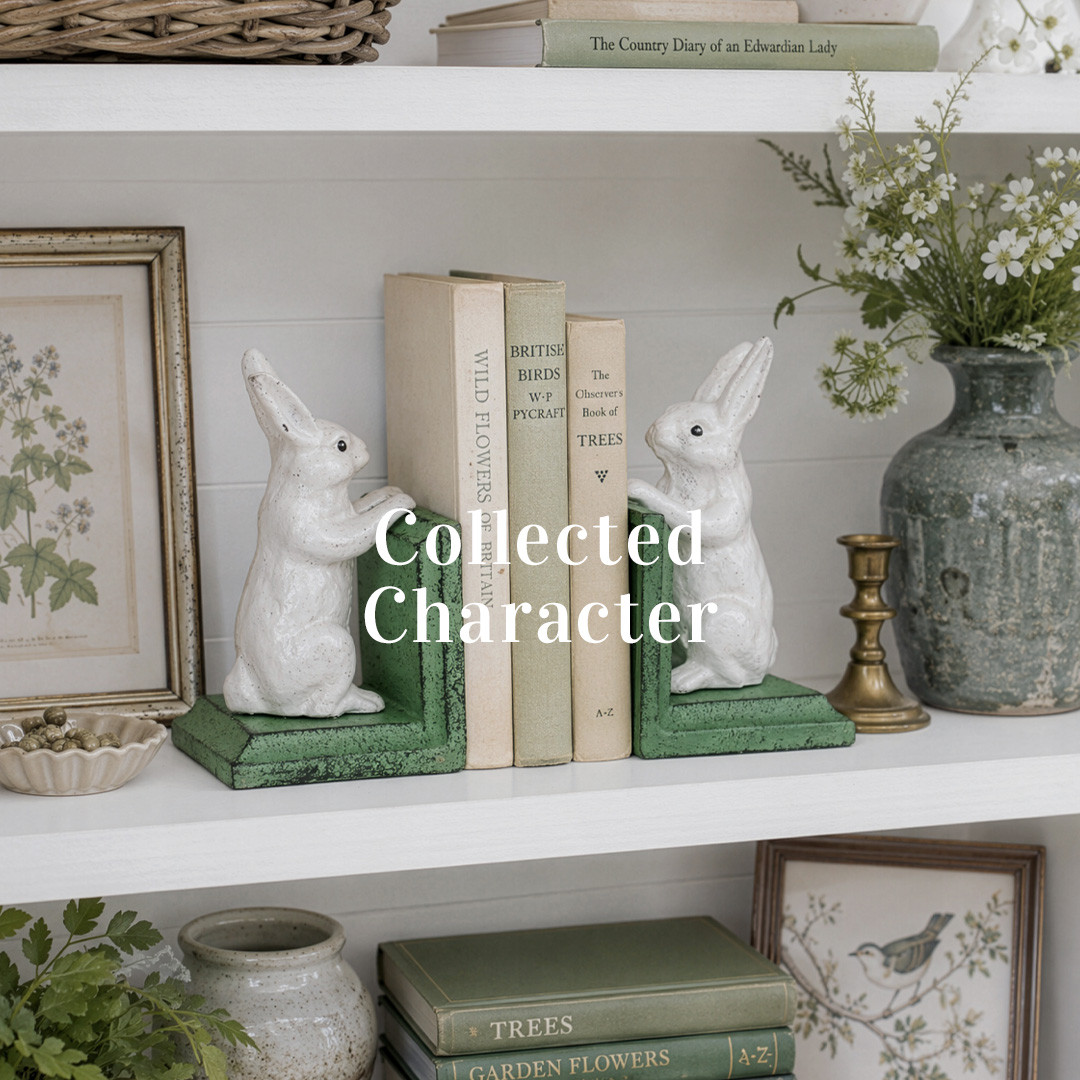
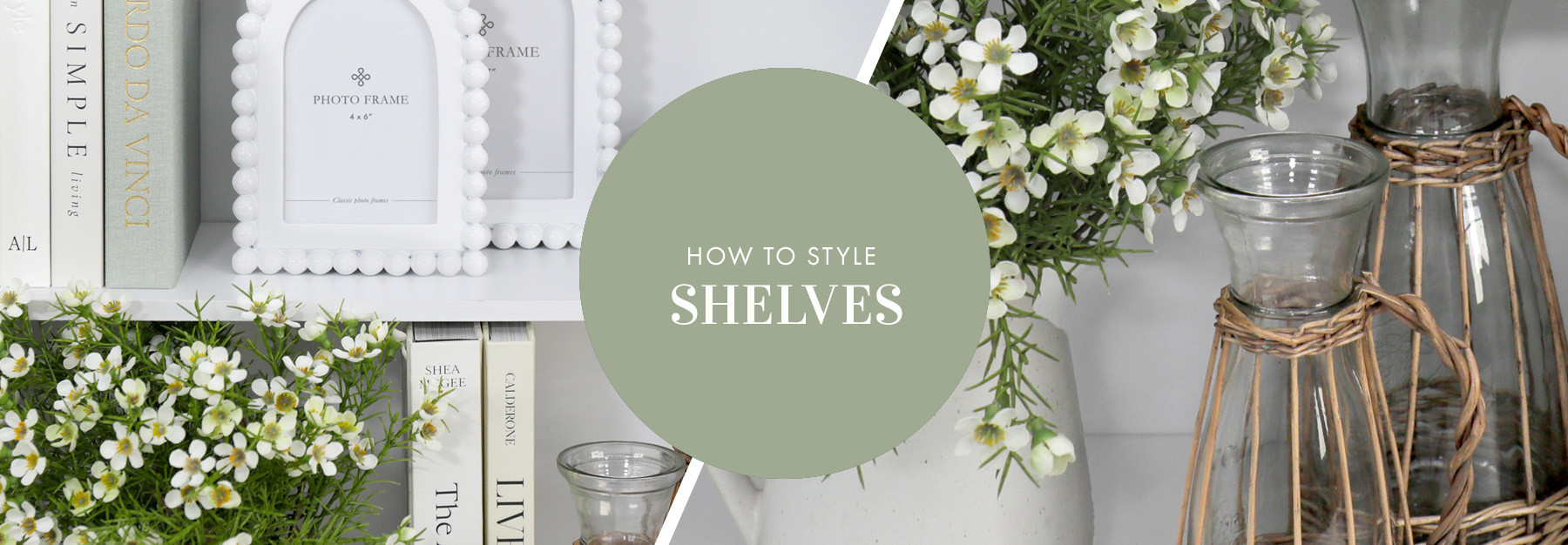
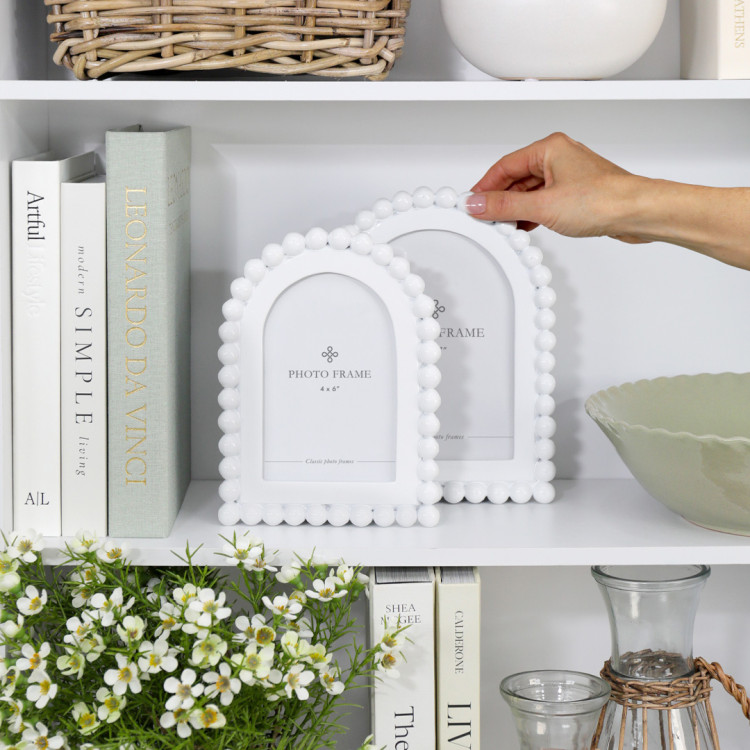
Beautifully styled shelves are all about the mix, pieces with different shapes, heights and textures, brought together in a way that feels collected, considered and completely at home. Shelves are one of the easiest places to bring personality into a room. They give you somewhere to display favourite ceramics, framed photographs, foliage and those smaller pieces youve gathered over time, but getting the balance right can take a little thought. The secret is to look beyond each individual shelf and consider the arrangement as a whole. In the photo above, you can see how curved frames, ceramics, woven texture and delicate foliage create different moments across the shelves, while the soft, repeated palette connects everything together. Theres variety, but nothing feels out of place.
Start With Your Larger Pieces
Before adding the smaller details, begin with the pieces that have enough presence to anchor each shelf. A generous vase, sculptural bowl, framed photograph or woven basket gives the eye somewhere to land and makes the smaller pieces around it feel more intentional.
Spread these larger pieces throughout the shelving rather than placing them all at the same level. This creates a natural sense of movement and prevents one area from feeling visually heavier than another.
Vary the Height
If everything on your shelves sits at a similar height, even beautiful pieces can start to feel a little flat. Mix taller vases and frames with lower bowls, decorative objects and smaller vessels. Foliage is particularly useful for introducing height because it can reach naturally into the open space above without adding visual heaviness. Let some arrangements stay low and quiet too. Not every shelf needs a tall piece.
Repeat Without Matching
A little repetition is what helps a collection of different pieces feel connected. You might repeat a soft green in a vase, frame and foliage, or carry warm timber and woven textures through several shelves. Similar shapes can work in the same way, perhaps a rounded bowl on one level echoed by a curved frame or vessel somewhere else. There are also times when matching pieces can make a beautiful statement. A row of identical jars, canisters or vessels creates a sense of order and rhythm, particularly on kitchen shelves or a dresser. Keep the spacing consistent and let the repetition become part of the styling.
The key is knowing when to repeat exactly and when to simply create a connection. A little uniformity can bring calm to shelves filled with more collected, individual pieces.
Style in Small Moments
Instead of filling a shelf from one end to the other, create smaller arrangements with a little space between them. Try a vase with a small frame, a decorative bowl beside a sculptural object, or a larger piece of pottery standing beautifully on its own. These little moments make shelves much easier to look at and allow individual pieces to have more presence.
Layer Your Frames
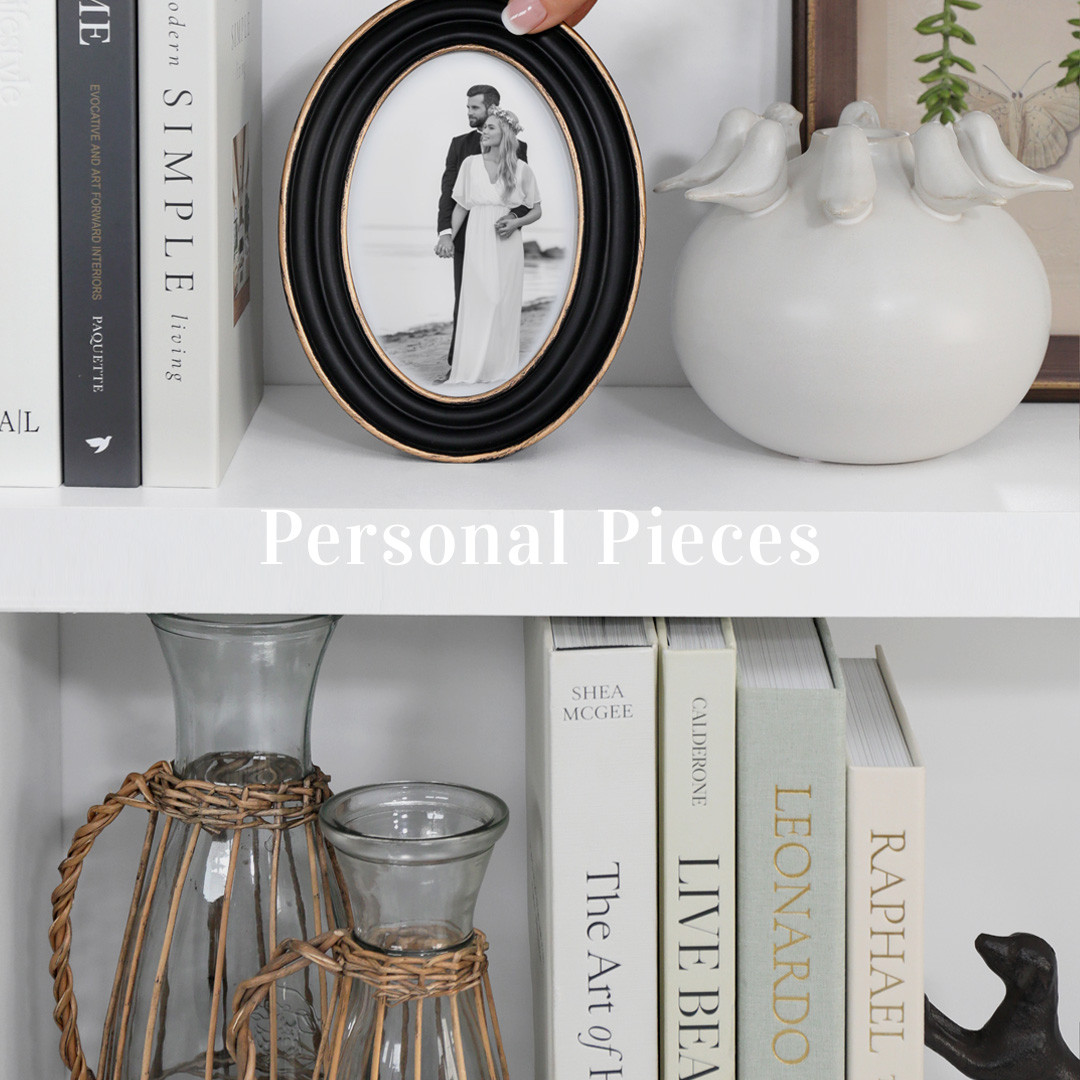
Frames are a lovely way to introduce something personal while also creating depth. Rather than spacing them evenly across the shelves, try leaning one against the back and placing a smaller object slightly in front. Two frames in different sizes can also overlap gently for a more relaxed, collected look. Mixing photographs with small pieces of art or botanical prints keeps the arrangement interesting and helps the shelves feel like part of the room rather than simply a display.
Add Foliage
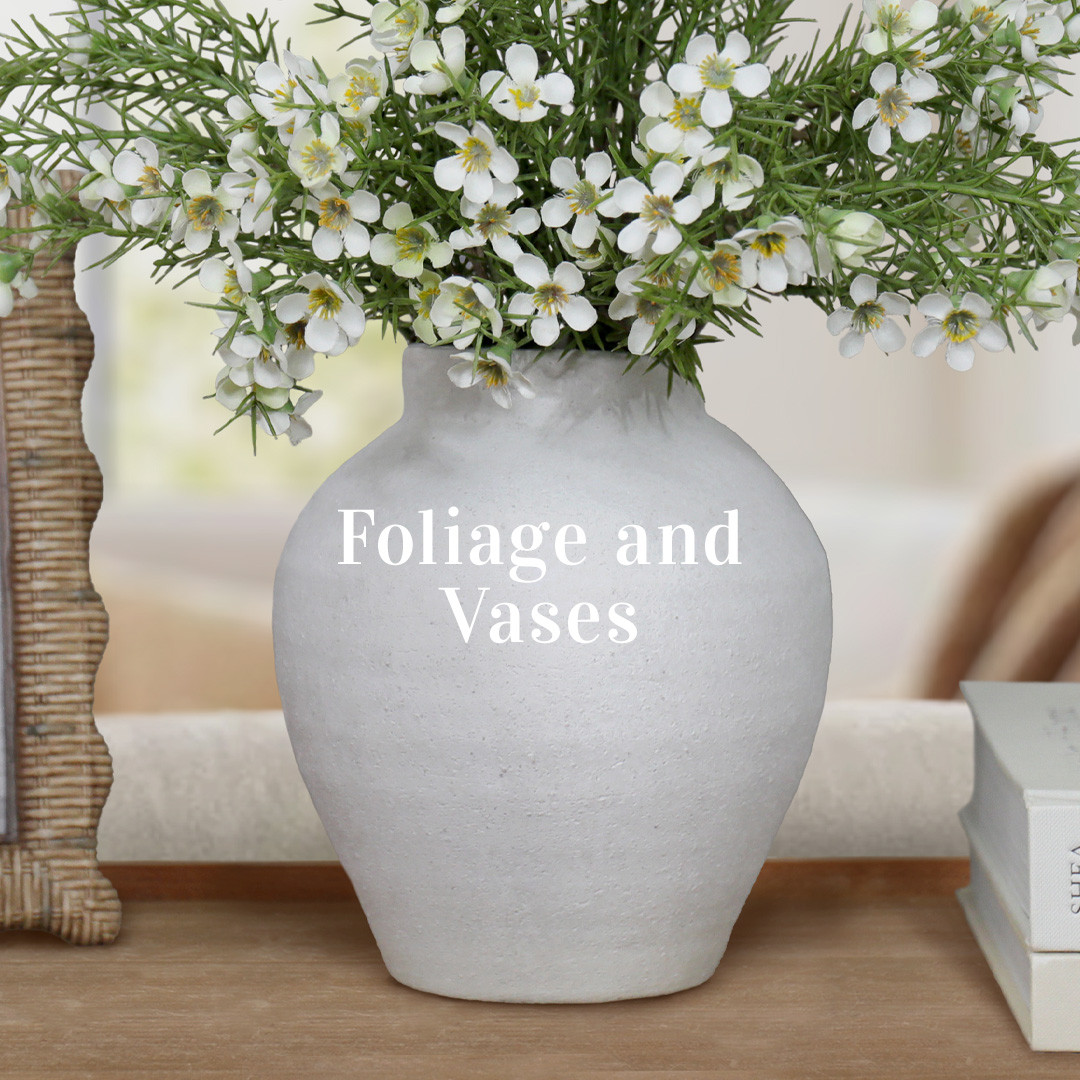
Adding foliage has a way of bringing shelves to life. A small vase of greenery can soften a structured bookcase, while a few longer stems introduce movement and help fill some of the vertical space between shelves. You dont need greenery on every level. One or two arrangements placed thoughtfully through the shelving are often enough. Let the stems fall naturally rather than making them too neat, the slight irregularity is part of what makes them beautiful.
Mix Your Materials
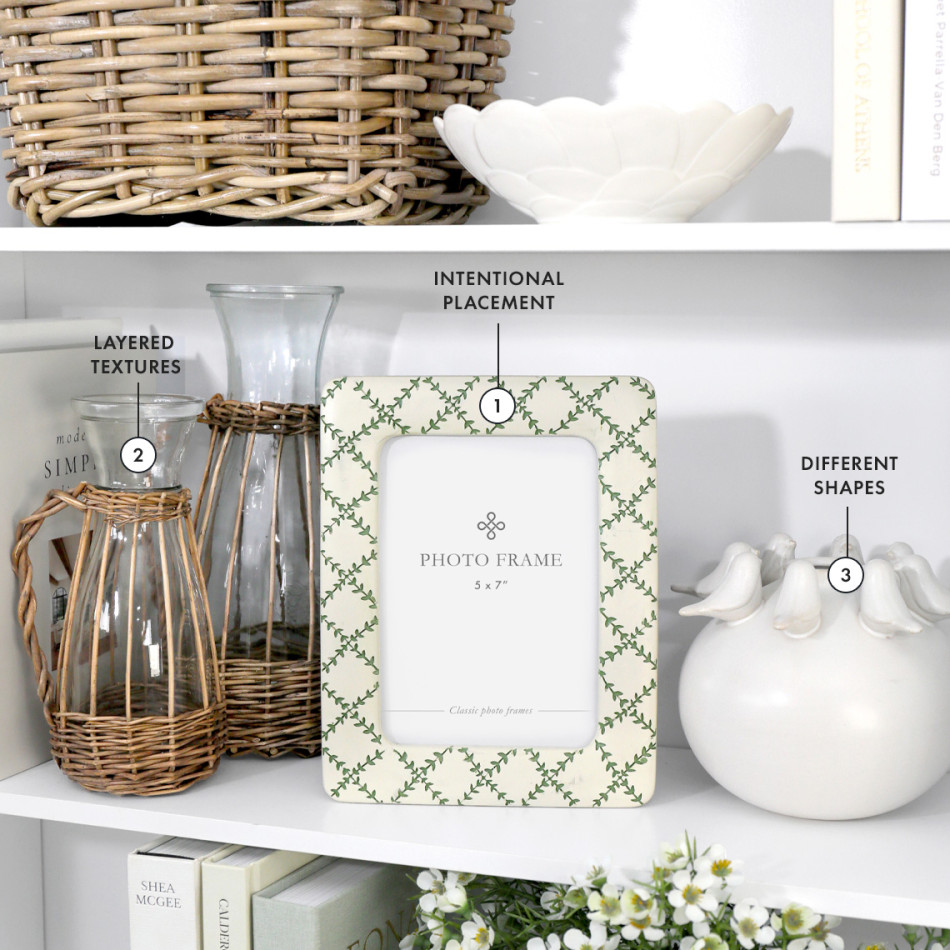
Shelves become much more interesting when there is a subtle contrast between finishes. Pair smooth ceramic with woven rattan, clear glass with timber, or something softly aged beside a cleaner, more refined piece. A touch of metal can introduce another layer, particularly through a frame, candlestick or small decorative object. Keep the palette connected, but allow the materials to be different. This is what gives the arrangement depth without relying on lots of colour.
Think About Shape
With all the straight lines created by shelves, introducing curves can make a surprising difference. Rounded vases, bowls, sculptural vessels and curved frames soften the structure and keep the arrangement from feeling too rigid. Look at the silhouettes as much as the colours.
A tall narrow vase beside a wide bowl, or a rounded vessel next to a rectangular frame, creates contrast even when everything sits within a similar palette.
Leave Some Shelves Quieter
One of the easiest mistakes to make is trying to give every shelf the same amount of styling. Some can hold a fuller grouping, while others might have just one or two beautiful pieces. That variation creates rhythm and keeps the entire arrangement from feeling overly decorated. If something feels busy, remove a piece and see what happens. Often the empty space is exactly what the arrangement needed.
Let It Feel Collected
The most beautiful shelves rarely look as though everything was bought at once. Mix newer pieces with favourite photographs, ceramics with a little age, something woven, something found while travelling or an object that simply has meaning to you. Youre not trying to create a perfectly coordinated display. The aim is to find a connection between pieces that are different, through colour, shape, material or scale, and give each one enough room to be noticed. When you step back, the shelves should feel like part of the home around them, layered and interesting, but still relaxed enough to evolve over time.