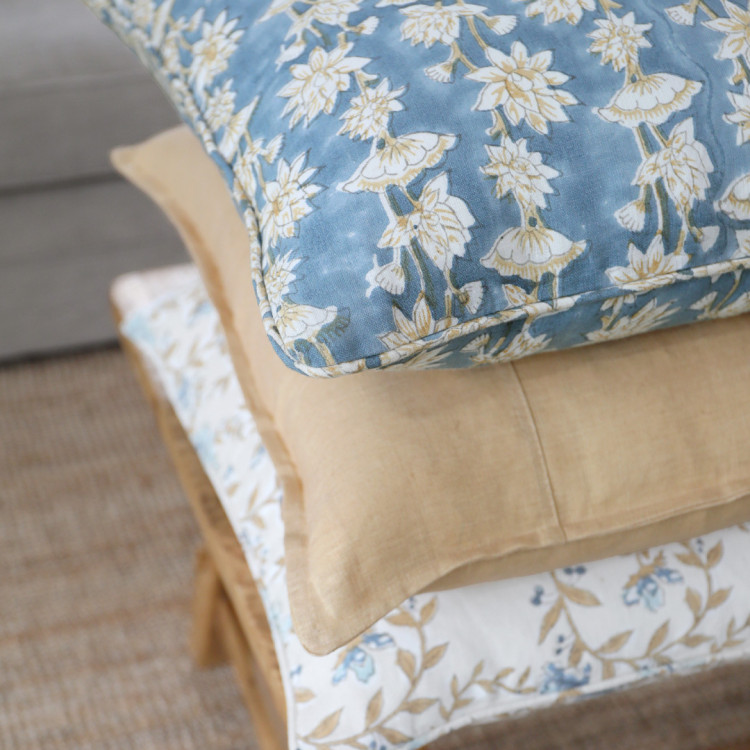
How to Mix and Match Cushions
How to Mix and Match Cushions
A beautifully layered sofa is all about the mix, thoughtful combinations of pattern, colour and texture that bring warmth, character and a sense of effortless comfort to a room. There's something about a beautifully styled sofa that makes an entire living room feel more inviting. Cushions have a way of softening a space, introducing colour and bringing together the different elements of a room without making any permanent changes.
The secret is in the combination. Mixing patterns, varying proportions and introducing different textures creates a look that feels collected rather than coordinated. Whether you're drawn to soft florals, classic stripes or understated neutrals, a few simple styling principles can help bring everything together.
Start With a Hero Pattern
One of the easiest ways to begin is by choosing a single cushion that sets the direction for the rest of the arrangement. It might be a beautiful floral, a classic stripe or a patterned linen with colours you love. Let this become your starting point, then draw on the shades within it when choosing the remaining cushions.
A larger botanical print, for example, might introduce soft greens, muted blues and warm neutrals. Rather than matching every colour exactly, choose a few tones to repeat through your decorative cushion collection. This creates a subtle connection between the pieces while allowing each one to have its own character.
Mix Patterns With Confidence
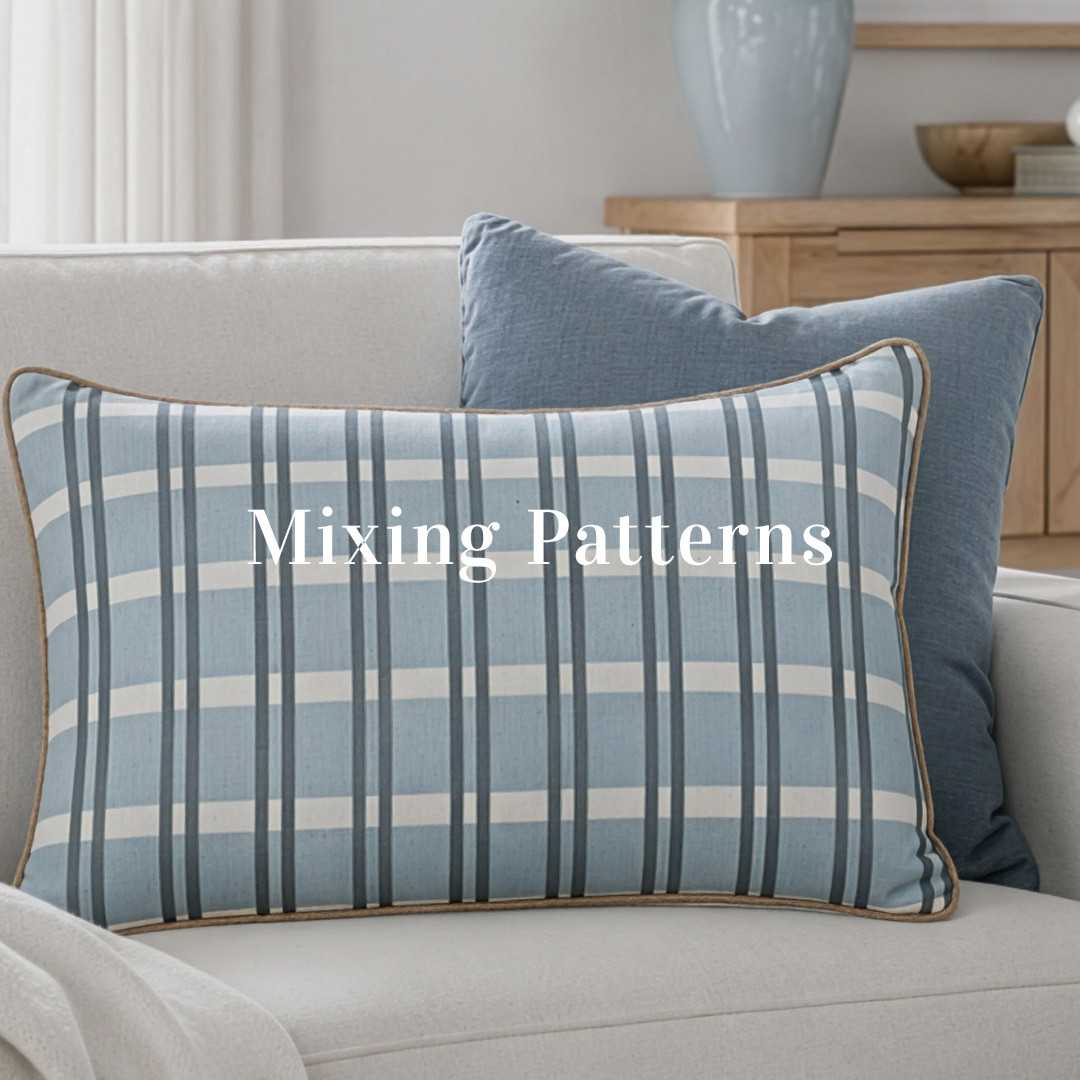
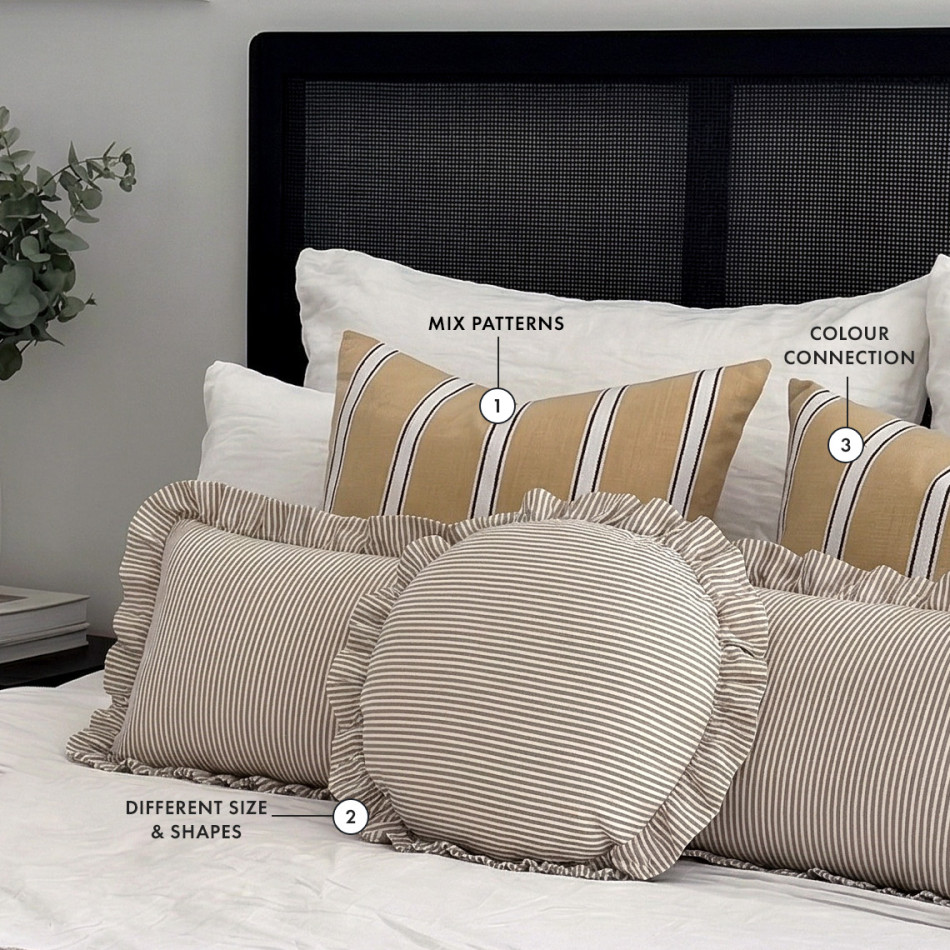
The most interesting cushion combinations often come from mixing patterns that are quite different from one another. The key is varying the scale. Start with a larger statement print, introduce a smaller pattern such as a fine stripe or delicate floral, then add something quieter to give the arrangement a little breathing room.
A generous botanical print paired with classic striped cushions and a softly textured plain cushion is a beautiful example. Each pattern brings something different, but the shared colours keep the combination feeling considered. Try to avoid using several patterns of the same size. When everything competes for attention, the arrangement can begin to feel busy.
Think large pattern, small pattern and something simple.
Find Your Colour Connection
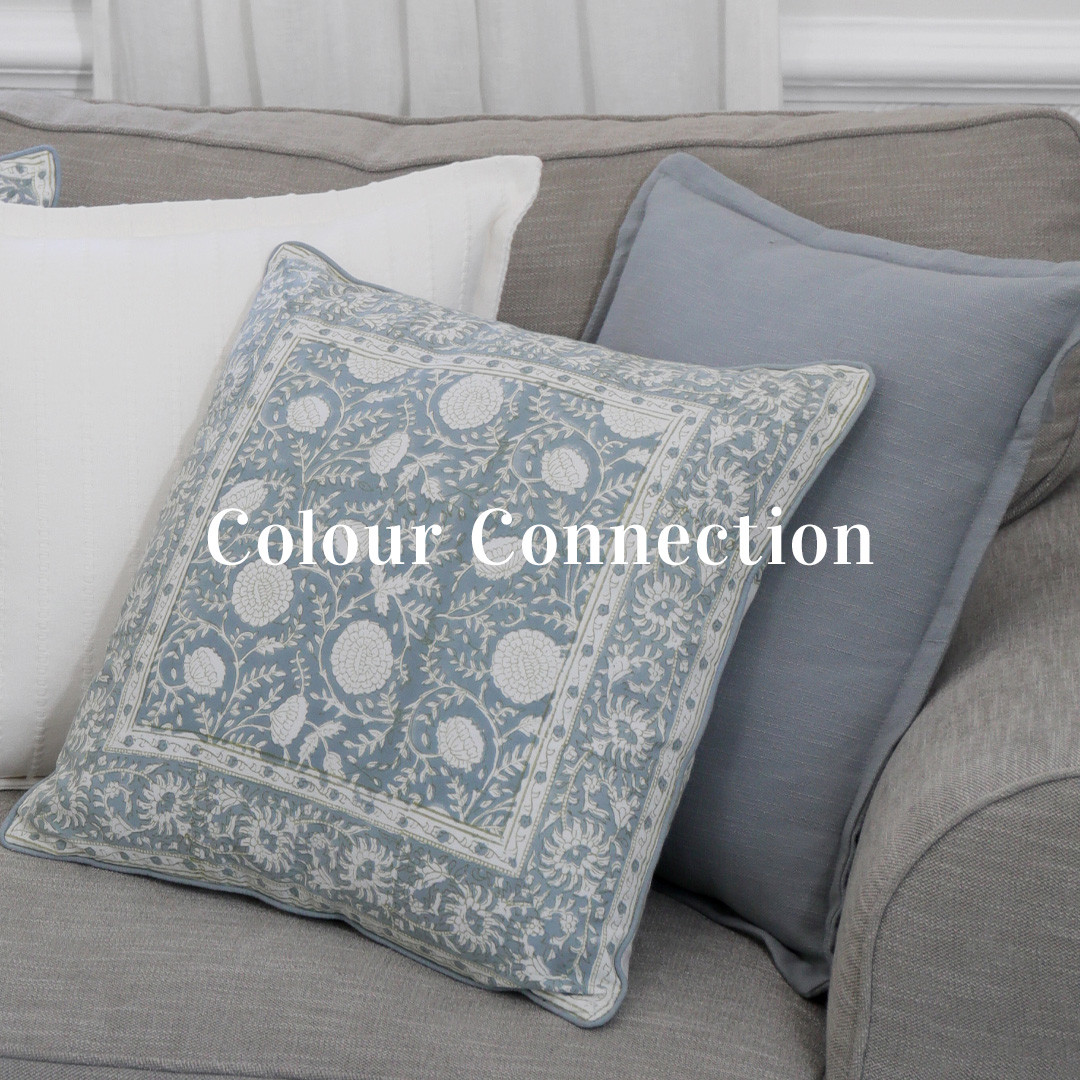
Mixing cushions doesn't mean every piece needs to match, but there should be something that connects them. Look to the colours already in the room, perhaps a favourite artwork, an upholstered chair, a rug or even the tones in your timber furniture. Choose two or three shades to carry through the cushions, allowing some to appear more prominently than others. A soft blue floral might sit beautifully beside a warm neutral stripe, with a muted green cushion bringing another layer of colour. The shades don't need to be identical. In fact, a little variation often creates a softer, more natural look than a perfectly matched set.
Layer in Texture
Texture is what gives a cushion arrangement its warmth and depth, particularly when working with a quieter colour palette. Think washed linen, woven cotton, subtle embroidery, soft velvet or a beautiful woven check. Each material catches the light differently, creating interest even when the colours are similar.
Try placing a smooth linen cushion beside something with a heavier weave, or introducing a softly patterned fabric against a more tactile finish.
Textured cushions for layering are particularly useful when you want to create a relaxed, collected feel without introducing another bold pattern.
The beauty is in the contrast, something soft beside something structured, a refined fabric next to one with a more natural finish.
Play With Size and Shape
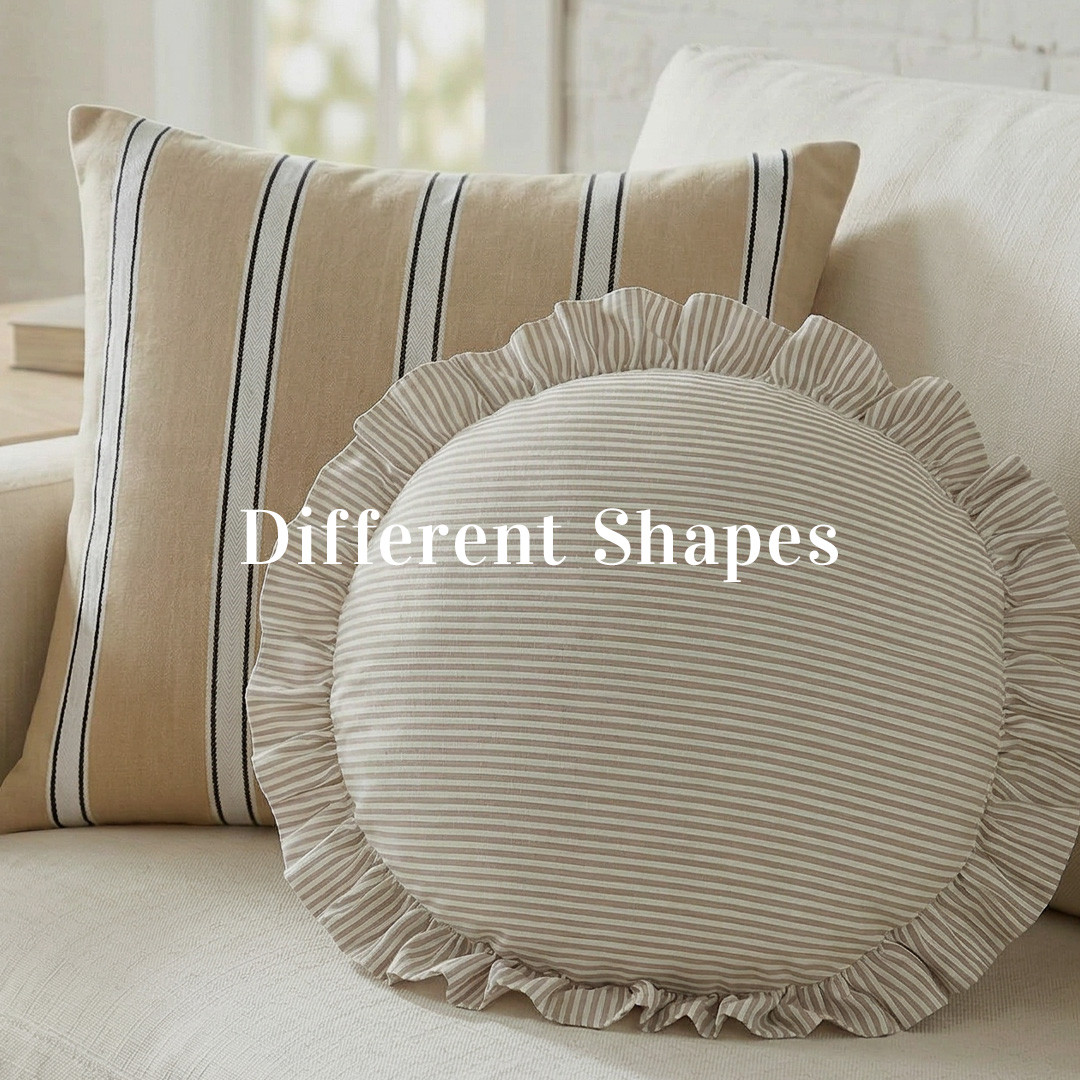
A beautiful cushion arrangement isn't just about fabric and colour. Proportion makes a surprising difference. Begin with larger square cushions at the back to create a generous foundation, then introduce slightly smaller pieces in front. A rectangular lumbar cushion can be a lovely finishing touch, breaking up the repetition of square shapes. On a generous sofa, try layering 55 cm cushions behind 45 cm or 50 cm cushions. The difference in size creates depth without needing lots of additional pieces. For a smaller sofa or occasional chair, fewer cushions with a little more presence will often feel better than several small ones.
Balance Pattern With Plain
Not every cushion needs to make a statement. In fact, some of the most beautiful arrangements rely on quieter pieces to bring everything together. A plain linen cushion can soften a busy floral, while a subtle woven texture provides contrast beside a stronger stripe. If you're working with several patterned cushions for sofas, try introducing one or two simpler designs in colours drawn from the prints. These quieter pieces allow the patterns to stand out and give the overall arrangement a more relaxed, balanced feel.
Mix Old and New
There's something lovely about combining traditional patterns with more contemporary fabrics. A vintage-inspired floral can feel beautifully fresh beside a simple stripe, while a classic check brings a sense of familiarity to a modern sofa. The contrast is what makes the combination interesting. Rather than choosing cushions that all belong to the same collection, look for pieces that share a colour or feeling but offer something different in pattern and texture.
A little imperfection in the mix is often what makes it feel personal.
Style for Your Sofa
The shape and size of your sofa will naturally influence how many cushions feel right. For a two-seater, a pair of generous cushions with a smaller contrasting piece can be enough. On a larger three-seater, try creating two loose groupings at either end, mixing patterns and sizes without making both sides identical. A corner sofa offers room for a little more layering, particularly where the two sections meet. Keep the larger cushions towards the back and allow smaller pieces to sit naturally in front. The aim is to create a sofa that looks inviting, with enough room left to actually sit comfortably.
Don't Forget the Filling
Beautiful fabric is only part of what makes a cushion look inviting. The insert can change the way a cushion sits, whether it holds a structured shape or falls into a softer, more relaxed silhouette. A generously filled insert gives cushions a fuller appearance, while a softer feather or feather-blend filling allows for a more casual, lived-in look. For a fuller finish, an insert around 5 cm larger than the cover is often a useful starting point, depending on the fabric and filling. Rather than arranging every cushion perfectly upright, allow a little movement. A relaxed lean or gentle fold can make the whole sofa feel more natural.
The Finishing Layers
Once the cushions are in place, consider how they connect with the rest of the room. A soft throw draped over the arm of the sofa can pick up a colour from a patterned cushion, while a nearby upholstered chair offers another opportunity to repeat a favourite tone or texture. You don't need to use the same cushions throughout the room. Instead, let the colours and materials quietly relate to one another.
The most beautiful combinations are rarely the ones that match perfectly. They're the ones that bring together pattern, texture and pieces you genuinely love, creating a space that feels layered, welcoming and completely at home.