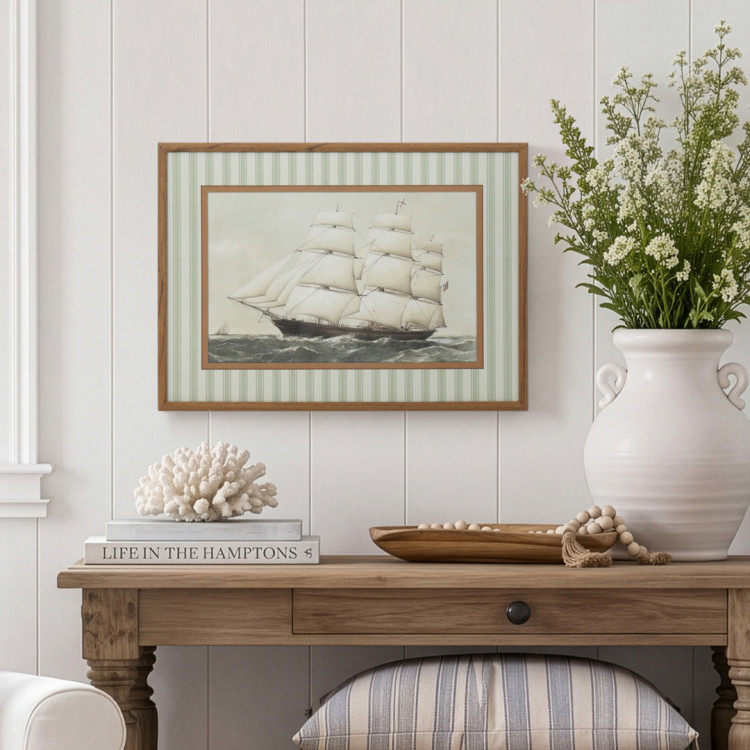
How to style a sideboard or buffet
How to Style a Sideboard or Buffet
A beautifully styled sideboard is about more than what sits on top. The right artwork, lighting and layers can turn a practical piece of furniture into a considered focal point. Sideboards and buffets are some of the hardest-working pieces in a home. They offer valuable storage, but they also create a natural place to bring personality to a dining room, living space or hallway. The best arrangements feel connected to the furniture beneath them. Start by considering the wall above, introduce lighting for warmth and then build the arrangement with pieces that vary in shape, height and scale.
Whether you prefer something balanced and ordered or a little more relaxed and layered, the aim is to create a setting that feels intentional without feeling overly styled.
Start With the Artwork
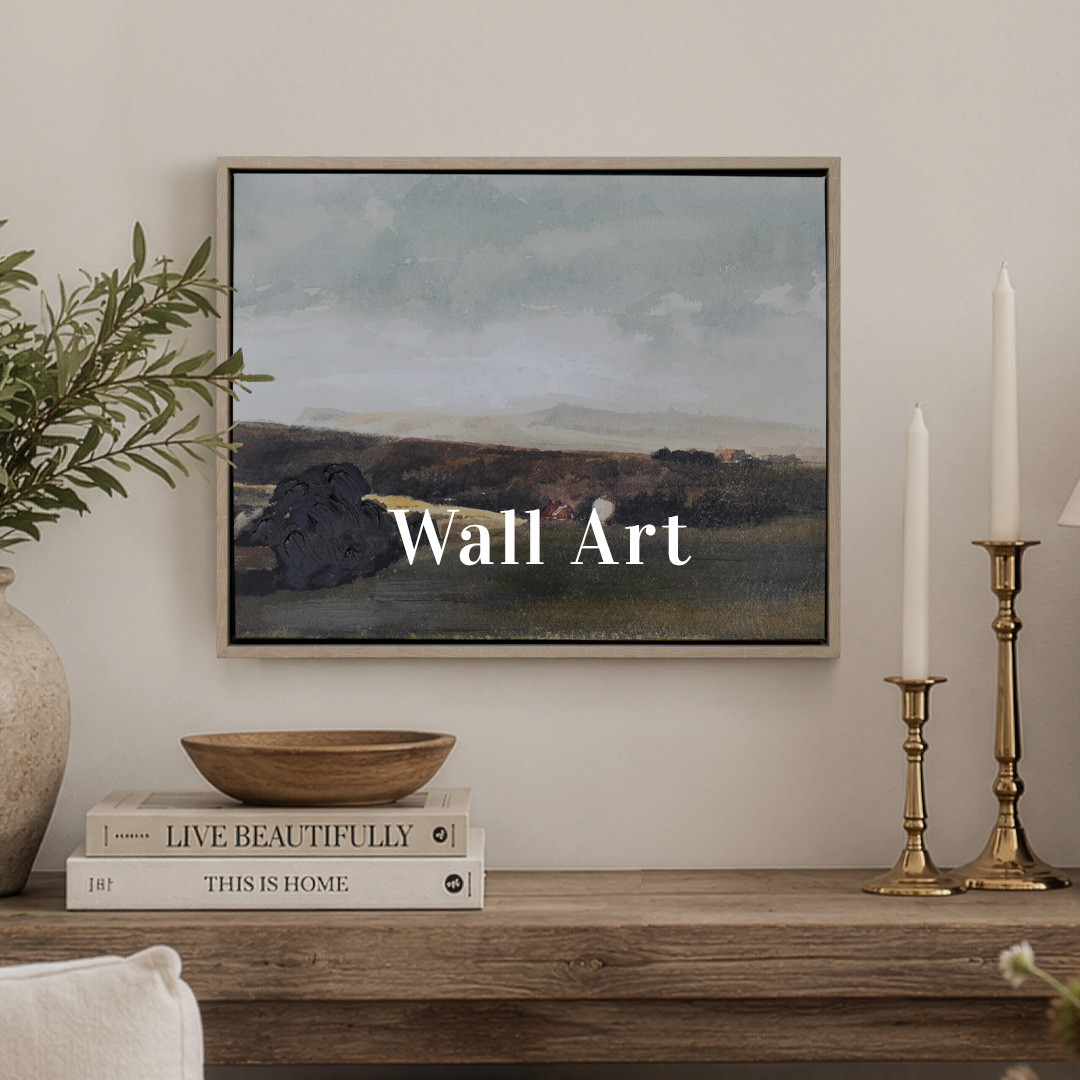
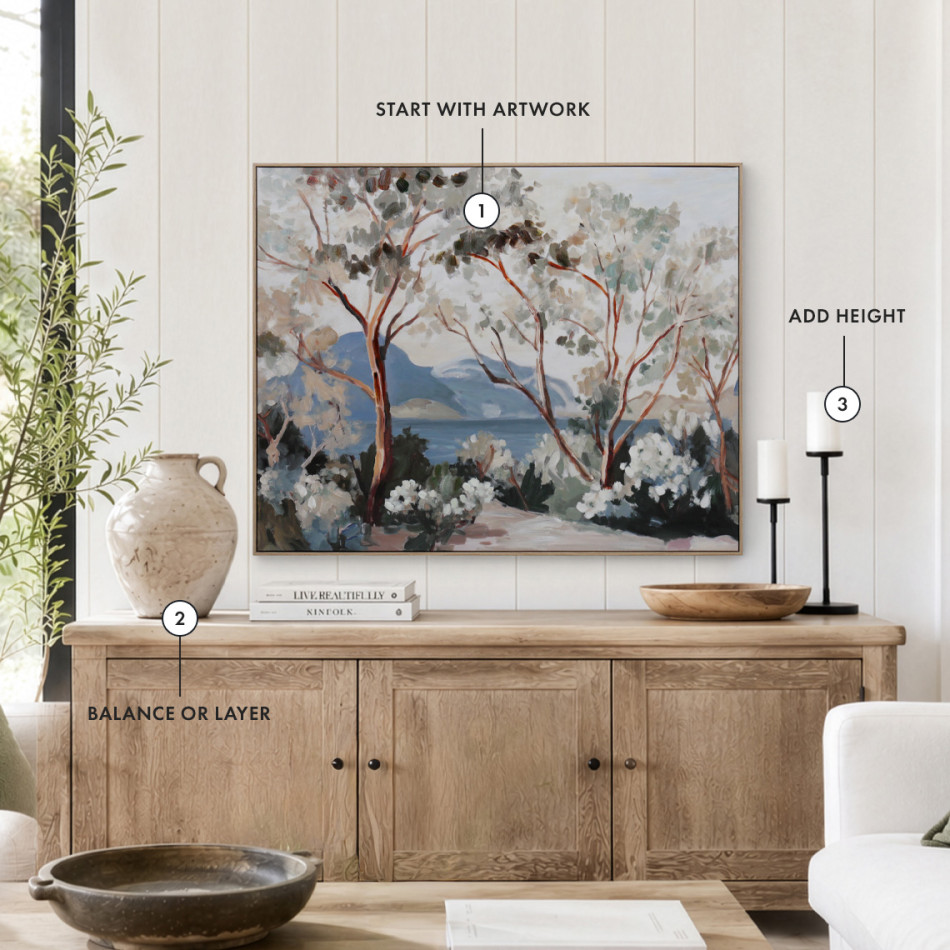
Artwork is often the easiest place to begin because it establishes the scale and mood for everything that follows. For a single piece, look for artwork that is roughly two-thirds the width of your sideboard. It should feel substantial enough to hold the wall without extending beyond the furniture below. Hang it centrally for a more classic arrangement,or try leaning a larger piece against the wall for something softer and more relaxed. A pair of artworks or a small grouping can work beautifully too, simply treat the collection as one larger piece when considering its overall scale.
Style With Table Lamps
A table lamp does more than add height. It brings warmth and creates a softer layer of light that can completely change how a sideboard feels in the evening. For a longer buffet, a pair of lamps placed at either end creates an elegant sense of symmetry and works particularly well in a dining room. For a more relaxed arrangement, use one substantial lamp to anchor a side, then balance it with artwork and decorative pieces elsewhere. Choose a lamp with enough presence for the furniture beneath it. A lamp that is too small can easily become lost on a generous sideboard.
Balanced or Layered?
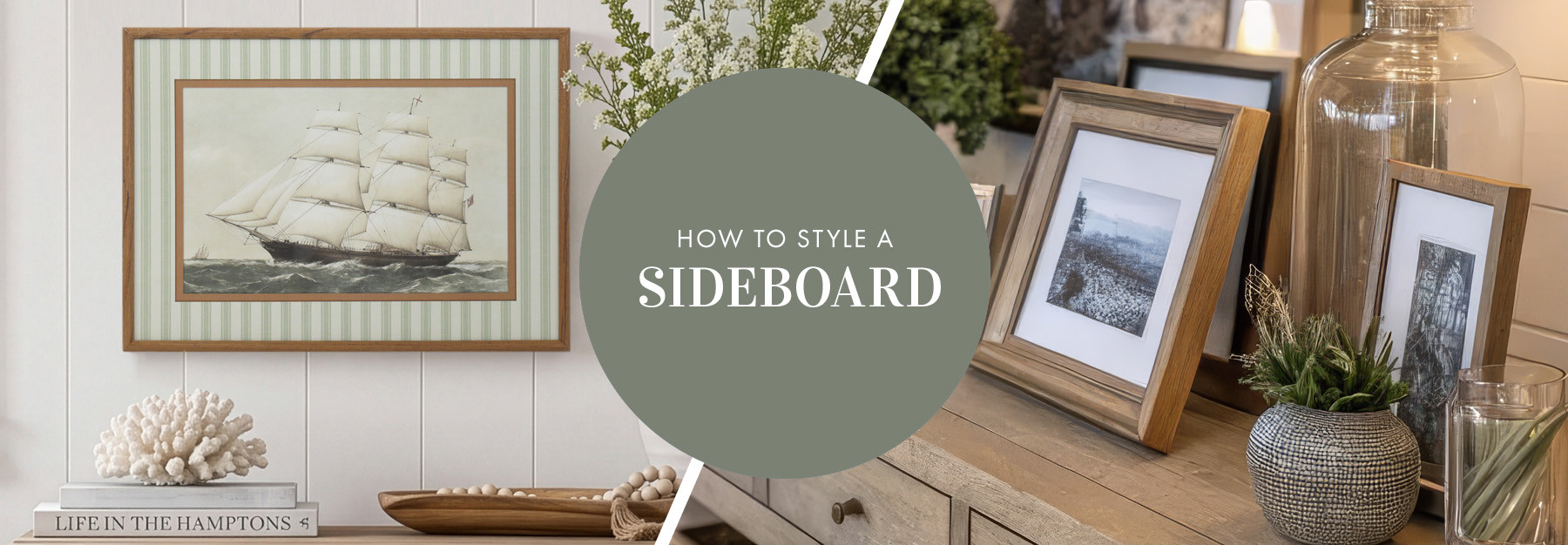
There are two beautiful ways to approach a sideboard, and the architecture of the room can often help decide which feels right. A balanced arrangement has a more ordered feel. Think centred artwork with matching lamps at either end, perhaps finished with one or two quieter pieces through the middle. It feels timeless and works particularly well with traditional furniture or in a formal dining space. A layered arrangement is looser. Artwork might sit slightly off-centre, with a lamp on one side and a vase, books or decorative objects overlapping at different heights.
Nothing needs to match perfectly, but the visual weight should still feel balanced. Both approaches work, one feels tailored, the other collected.
Consider What Sits in the Middle
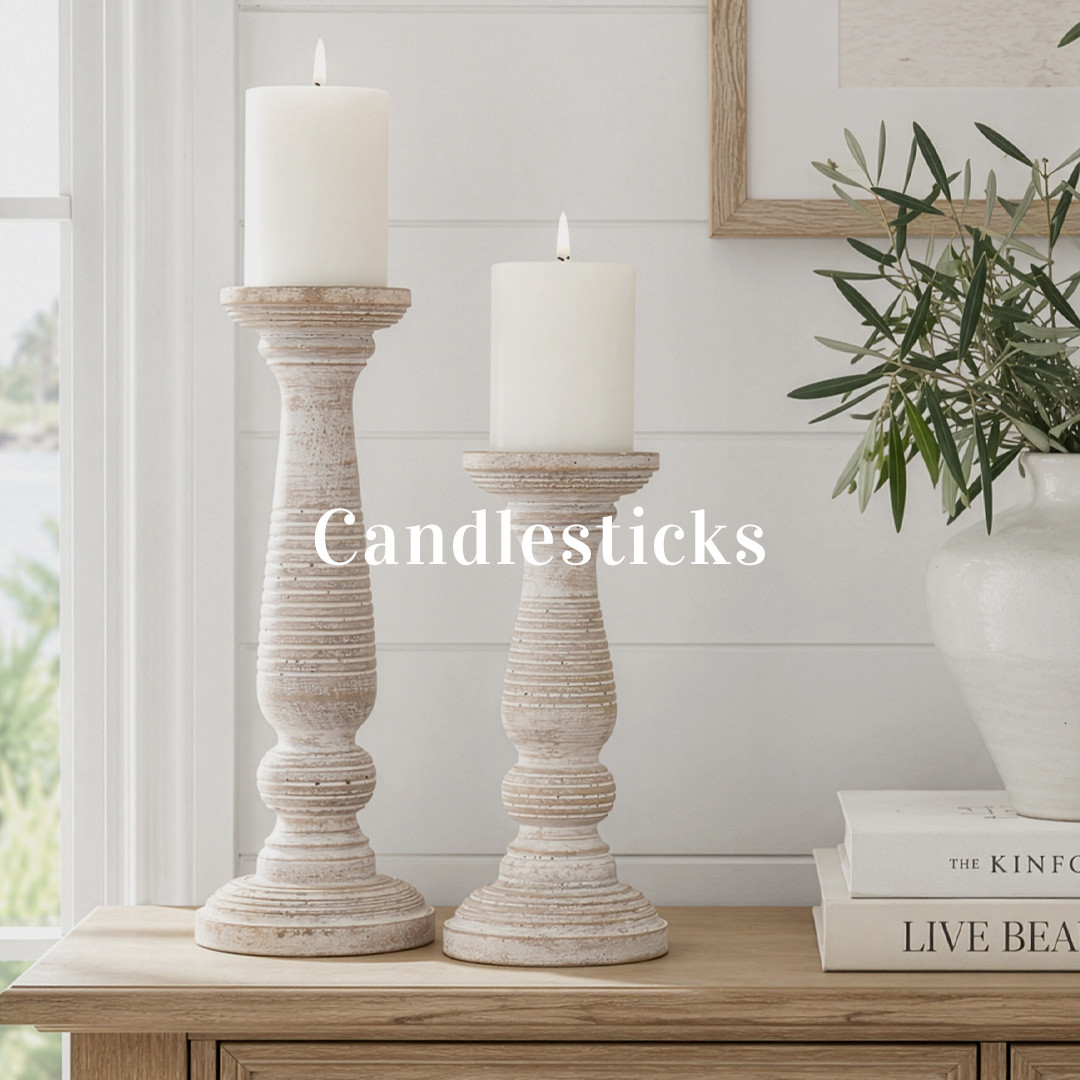
Once the larger pieces are in place, resist the urge to fill every gap. The centre of a sideboard is a lovely place for something lower, a wide bowl, decorative tray, stack of books or a pair of candlesticks. Keeping these pieces below the height of your lamps and artwork allows the eye to travel naturally across the arrangement. If the sideboard is used for entertaining, leaving some of this surface free also gives you somewhere for serving dishes, drinks or flowers when you need it.
Play With Height and Shape
A beautiful arrangement needs contrast. If everything is tall and narrow, the styling can feel busy. If everything is low, it can lack presence. Instead, combine vertical pieces such as lamps, candlesticks and vases with lower, broader shapes like bowls, books and trays. Shape matters too. A round vase or softly curved lamp can be a beautiful counterpoint to the straight lines of a sideboard and rectangular artwork. These small contrasts help the whole arrangement feel more natural.
Bring in Something Sculptural
Because a sideboard is usually a larger piece of furniture, it can carry something with a little more presence. A sculptural vase, oversized bowl, beautiful vessel or pair of candlesticks can give the arrangement a focal point without needing lots of smaller accessories.
Choose pieces with an interesting silhouette and allow a little space around them. Sometimes one beautiful object will do more for the room than a collection of smaller ones.
Think Beyond the Tabletop
The sideboard, wall and surrounding space should feel like one composition.
If there is room underneath, beautiful baskets can add texture while providing useful storage. A stool tucked beside the sideboard can soften a long wall, while a nearby chair or floor basket can help connect it to the rest of the room. Even the space above matters. Artwork hung too high can feel disconnected, so keep it visually close enough to the sideboard that the two read together.
Add the Finishing Layers
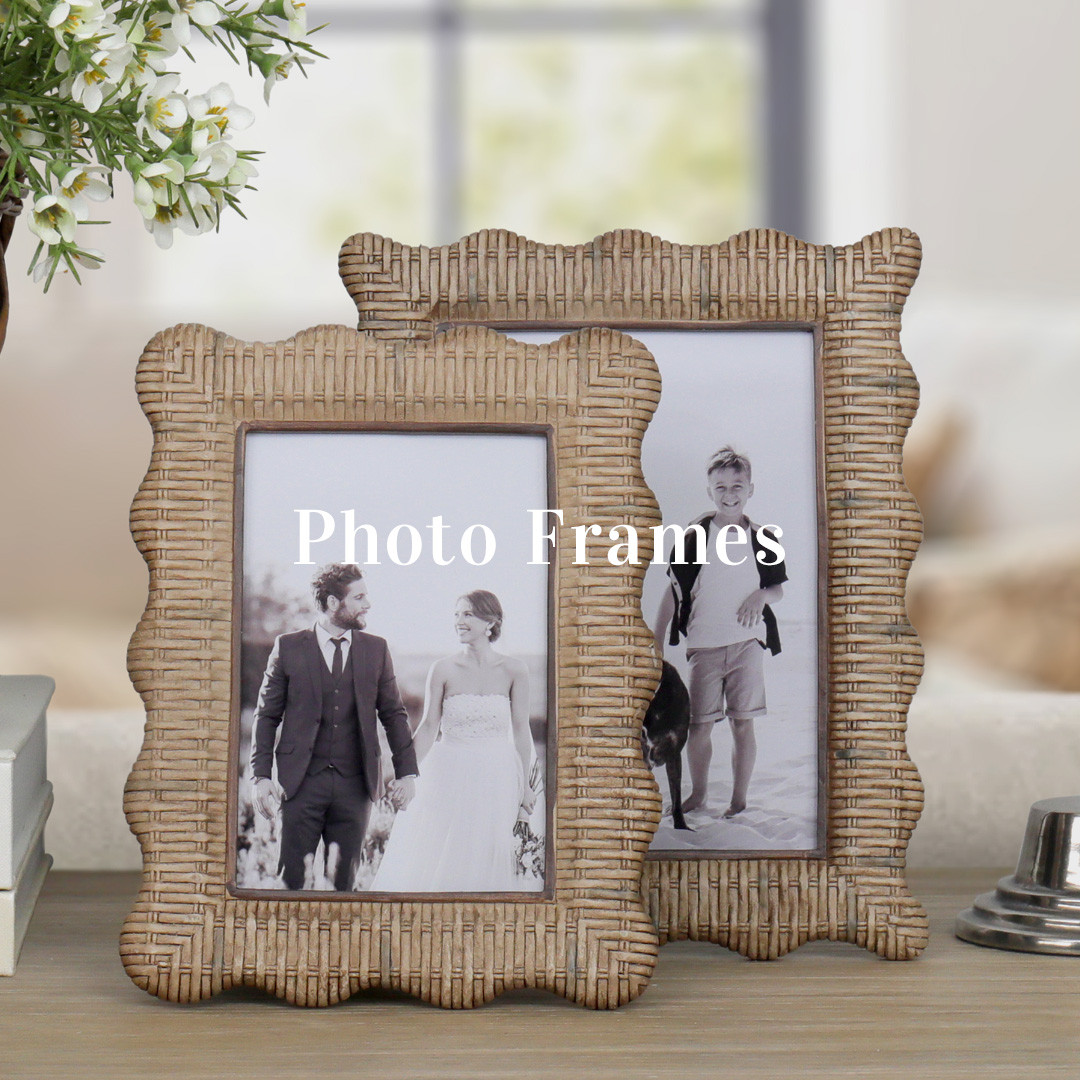
Once the larger pieces are right, add the details that make the arrangement feel like home. A favourite ceramic, a small framed photograph, a stack of beautiful books or a vase of seasonal foliage brings personality without overwhelming the surface. Mix finishes rather than matching everything, timber with ceramic, aged metal with glass, something smooth beside something textural. And then edit. A sideboard doesnt need to hold every beautiful thing you own. Leaving a little space around your favourite pieces gives them presence and keeps the arrangement feeling calm.
Make It Work for the Room
The most successful sideboards arent styled in isolation. They respond to how the room is actually used. In a dining room, leave enough space for serving and entertaining. In a living room, books, lighting and collected objects can create a more layered feel. In an entryway, a tray or bowl can make the arrangement practical as well as beautiful. Start with the pieces that establish the room, artwork, lighting and scale, then slowly add what feels right. The result should feel considered but not precious: beautiful enough to draw the eye,and relaxed enough to live with every day.