How to Style Vases Around Your Home
How to Style Vases Around Your Home
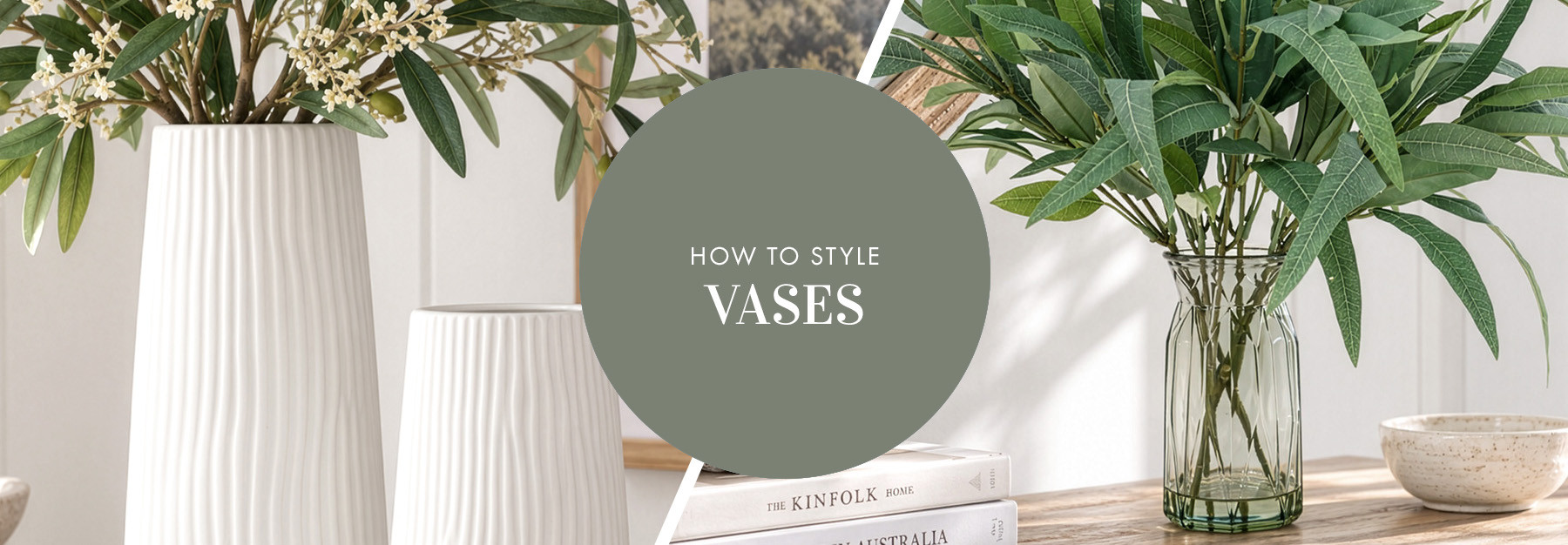
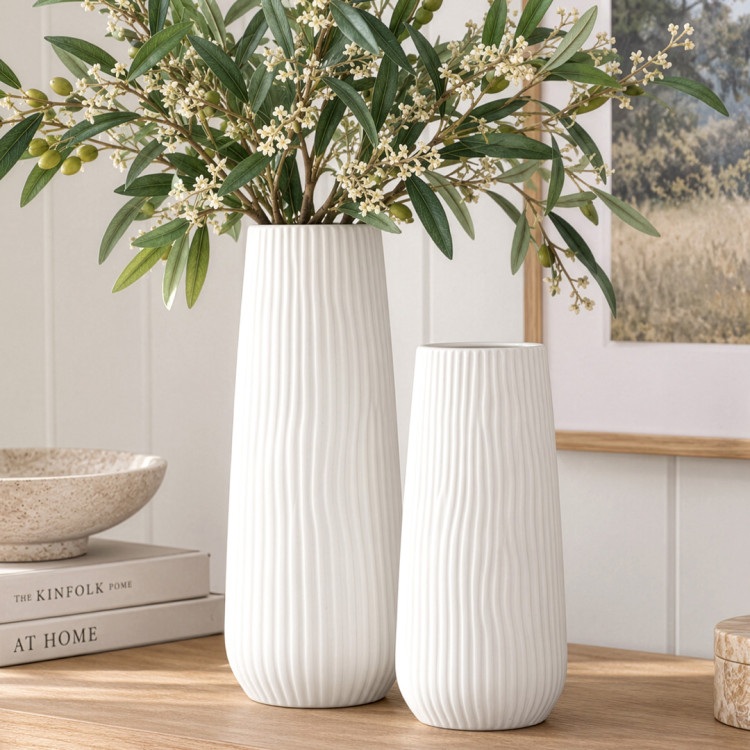
From sculptural ceramics to simple glass vessels, discover how to style vases with natural textures, beautiful proportions and thoughtful details that bring warmth and character to every room. There's something lovely about a vase that feels just as beautiful empty as it does filled with flowers. Whether it's a simple ceramic vessel, a softly aged piece or a favourite collected over time, vases have a wonderful way of bringing personality to a room. In the photograph above, the pairing of two white, delicately ribbed vases in different heights creates a beautiful sense of balance, with fresh greenery adding a natural finishing touch. Styling vases is about more than finding somewhere to display flowers. Their shapes, finishes and proportions can soften a space, introduce height and bring together the colours and textures already in a room. The secret is to think of vases as decorative pieces in their own right. A single statement vase can transform a quiet corner, while a carefully chosen collection can create a layered arrangement that feels relaxed, personal and beautifully considered.
Start With the Right Proportions
The most beautiful arrangements begin with an understanding of scale. A generous vase can bring presence to a large sideboard or dining table, while a smaller design might sit more comfortably on a bedside table, narrow shelf or occasional table. Consider the furniture beneath it and the space surrounding it. A tall vase can draw the eye upwards, particularly when placed against a blank wall, while a shorter, rounded vessel brings softness to a collection of books or decorative objects. When styling decorative vases for the home, think about their proportions as part of the entire arrangement rather than choosing each piece in isolation. A vase should feel connected to its surroundings, with enough space to appreciate its shape without overwhelming everything around it.
Mix Shapes and Heights
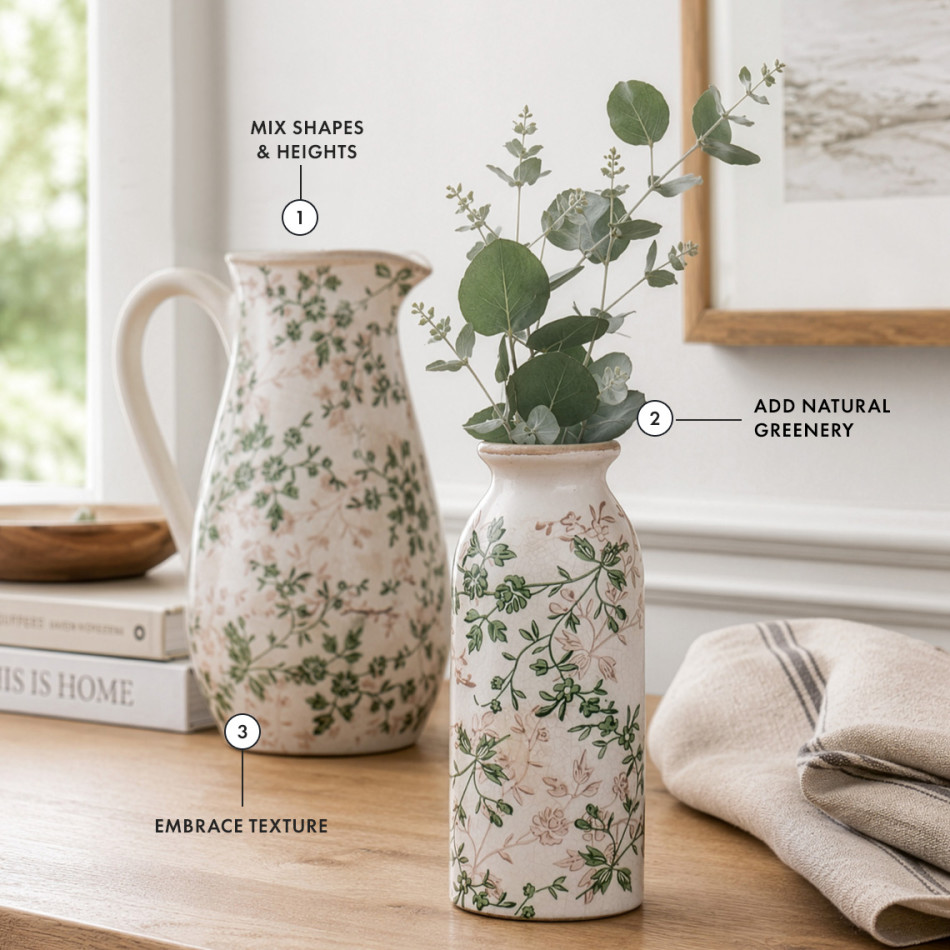
One of the simplest ways to create an interesting vase arrangement is to introduce different heights and silhouettes. Pair a tall, slender vase with something shorter and more rounded, or group two similar designs in varying sizes for a quieter, more coordinated look.
The difference in height creates a natural rhythm, allowing the eye to move comfortably between each piece.
When grouping vases, try positioning them slightly in front of one another rather than arranging everything in a straight line. This creates depth and gives the display a more relaxed, collected quality. For a timeless look, choose pieces that share a subtle connection, perhaps a similar glaze, material or decorative detail. The result should feel thoughtfully gathered rather than perfectly matched.
The Beauty of Natural Materials
Material plays a wonderful part in the character of a vase. Ceramics bring warmth and texture, particularly when finished with subtle glazing, delicate ribbing or a softly imperfect surface. Glass offers a lighter, more understated quality, while stoneware and terracotta introduce an earthy, handcrafted feel. Mixing finishes can create beautiful contrast.
A smooth glazed vase beside a textured ceramic piece, for example, adds interest without needing additional colour or decoration.
When choosing ceramic vases and vessels, consider how their surfaces relate to the timber, linen, stone and other natural materials already in your home. A few carefully chosen textures can make even the simplest arrangement feel layered and inviting.
Create a Collected Arrangement
There's something especially appealing about a display that looks as though it has come together naturally over time. Rather than filling a surface with matching accessories, combine a favourite vase with pieces that have different shapes, purposes and finishes. A small ceramic bowl, a stack of beautiful books or an old timber object can sit comfortably alongside a more decorative vessel. Try working with groups of two or three, varying the heights and leaving a little breathing room between the pieces. The aim isn't to fill every available space, but to create a thoughtful arrangement where each object has its place. A little variation is often what gives a collection its charm.
Style With Flowers and Greenery
Fresh flowers and foliage have a lovely way of bringing life into a room, but the secret is choosing arrangements that complement the vase rather than overwhelm it. A generous vessel might suit loose branches or seasonal greenery, while a smaller vase can look beautiful with just a few stems gathered from the garden. Consider the shape of the opening. A narrow neck naturally supports a simple arrangement, while a wider opening allows flowers and foliage to fall more freely. For a relaxed country feel, choose stems with movement and natural variation rather than arranging everything too precisely. When styling vases with artificial flowers, the same principles apply. Look for realistic shapes, gentle colour variations and foliage that feels appropriate to the season. Sometimes a single branch or a handful of simple stems is all a beautiful vase needs.
Let the Vase Stand Alone
Not every vase needs to be filled. In fact, some of the most beautiful decorative vessels make a statement through their shape, texture or finish alone.
A sculptural ceramic vase can become a quiet focal point on a bookshelf, while a softly patterned piece might bring character to a console or side table.
Look for designs with interesting silhouettes, gentle curves or details that catch the light. If the vase has a particularly decorative finish, allow it a little extra space so its shape can be appreciated. An empty vase isn't an unfinished arrangement. Sometimes its simplicity is exactly what makes it beautiful.
Bring Balance to a Console
A console or sideboard offers a lovely opportunity to style vases alongside artwork, lighting and favourite decorative pieces. Begin with a taller vase towards one end of the surface, allowing it to introduce height and establish a natural focal point. From there, add a smaller object, perhaps a stack of books, a decorative bowl or a framed photograph, to create a pleasing variation in scale. If there's artwork or a mirror above the console, consider how the vase relates to its proportions. A taller arrangement can help connect the furniture to the wall, while a shorter vessel keeps the display feeling open and uncluttered. For a more relaxed look, avoid making both sides perfectly symmetrical. A beautiful arrangement should feel balanced without appearing overly arranged.
Style Vases on Shelves
Shelves are a wonderful place to display smaller vases and collected ceramics. Rather than placing a vase on every shelf, use them selectively to create moments of interest among books, framed photographs and other decorative pieces. A taller vessel can introduce height beside a horizontal stack of books, while a small rounded vase brings softness to a collection of more structured objects. Try repeating a material or colour in different areas of the shelving to create a subtle connection between the displays. A pair of small decorative vases can also look beautiful when separated across shelves, allowing their shared finish to bring a sense of continuity without feeling repetitive. Remember to leave some open space. It's often the quieter areas that allow your favourite pieces to stand out.
Create a Beautiful Centrepiece
A vase can make a lovely centrepiece for a dining table, kitchen island or coffee table. For everyday dining, consider a lower arrangement that allows conversation to flow comfortably across the table. A generous bowl-shaped vessel or a group of smaller vases can feel just as beautiful as a traditional floral centrepiece. On a kitchen island, a taller vase filled with branches or greenery can introduce softness to an otherwise practical space. Coffee tables often benefit from a more compact arrangement, perhaps a rounded ceramic vase styled alongside books or a decorative tray. When choosing vases for table styling, think about how the surface is used throughout the day. The most inviting arrangements are those that feel beautiful without getting in the way of everyday living.
Mix Old and New
Some of the most interesting interiors bring together pieces from different periods and styles. A vintage-inspired vase can sit beautifully alongside contemporary furniture, while a simple modern vessel can bring freshness to a collection of more traditional accessories.
Look for subtle connections through material, shape or colour rather than trying to make every piece match.
An aged terracotta vase might complement a polished timber sideboard, while a softly glazed ceramic design brings balance to antique books and decorative objects. Mixing old and new creates a sense of depth, allowing a room to feel as though it has evolved naturally over time. It's this combination of familiar favourites and unexpected finds that makes a home feel personal.
Find a Place in Every Room
Vases aren't just for living rooms and dining tables. A small vessel on a bedside table can bring a lovely sense of softness to the bedroom, particularly when styled with a few delicate stems. In an entryway, a generous vase filled with greenery creates an inviting first impression. A simple ceramic piece on a bathroom shelf can add texture, while a collection of smaller vessels on a kitchen windowsill introduces a little country charm. Even a narrow hallway or an overlooked corner can feel more considered with the addition of a beautiful vase. The key is choosing something appropriate to the scale and purpose of the space. Often, it's these smaller styling moments that make a home feel especially welcoming.
The Finishing Touch
The beauty of styling vases is that there's no single way to get it right. A generous statement piece, a simple pair of ceramics or a collection gathered over time can all bring something special to a room. Choose shapes and finishes you genuinely love, mix textures with confidence and allow a little space for each piece to be appreciated. Whether filled with seasonal flowers, a few branches from the garden or simply left empty, a beautiful vase has a way of adding warmth, character and that lovely sense of a home thoughtfully put together.