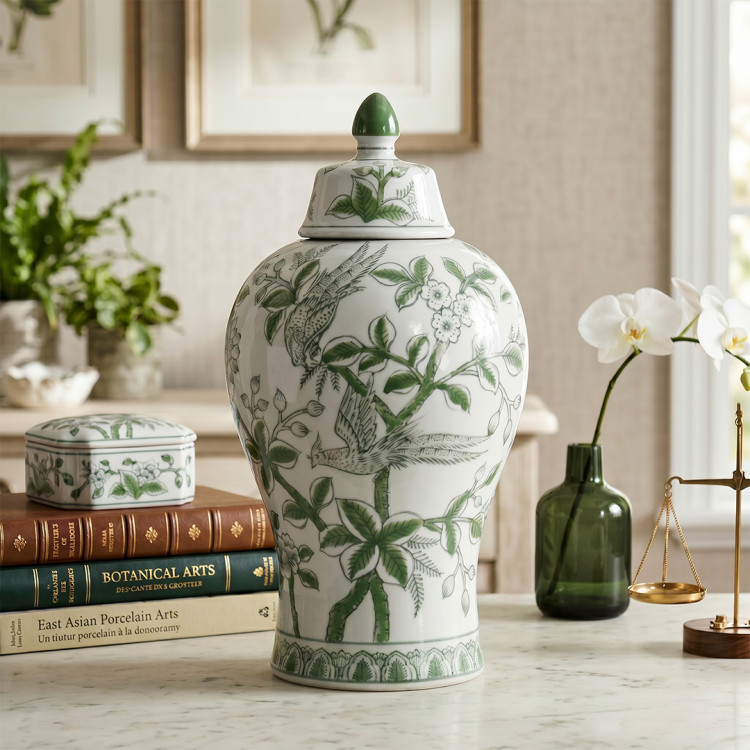
From Spices to Decor: The Evolution of Ginger Jars
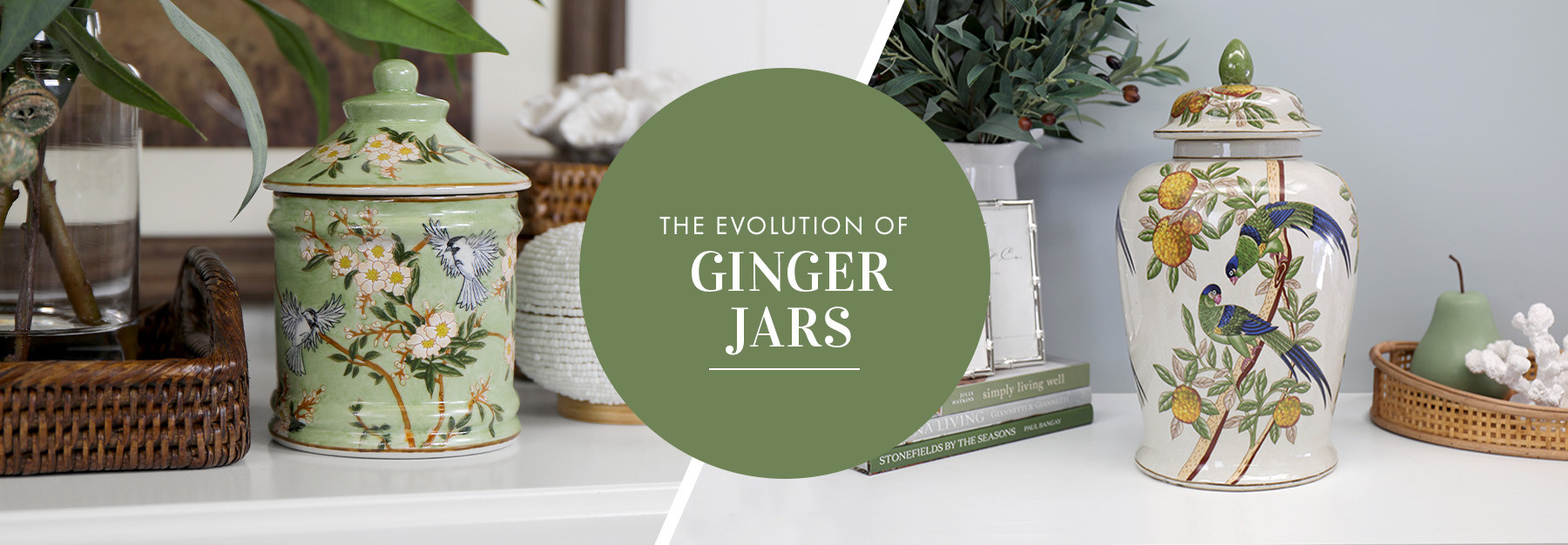
Ginger jars have a rich and fascinating history that spans centuries. Originally from Ancient China, these beautiful containers were first used for storing spices and herbs. Over time, they evolved from practical items into decorative pieces cherished in homes around the world. The history of the ginger jar is full of interesting twists and turns. Early designs were simple, but as porcelain techniques improved, the jars became more ornate. Their porcelain origins highlight the craftsmanship and artistry of ancient potters. The historical significance of ginger jars cannot be overstated. They were not just everyday homewares but also held cultural importance. Today, ginger jars are popular decor items, adding a touch of elegance to any room. Understanding the evolution of these jars helps appreciate their journey from the spice markets of Ancient China to modern living rooms. This exploration into their history reveals how ginger jars have remained timeless and beloved through the ages.
Ginger Jars History
Ginger jars have a fascinating history that dates back thousands of years. Originating in ancient China, these jars were initially used for the traditional storage of spices, herbs, and other valuable items. The early designs were practical, focusing more on function than form. However, their utility soon paved the way for more intricate and decorative styles. The cultural impact of ginger jars in China was significant. These jars were often found in households, temples, and even burial sites, indicating their importance in everyday life as well as in spiritual and cultural practices. As time went on, the evolution of design became apparent. The once plain jars began to feature elaborate patterns and motifs, reflecting the artistic trends of different dynasties.
The transition from purely utilitarian objects to decor ginger jars marked a major shift in their usage.
Their beauty and craftsmanship caught the eye of traders and collectors, spreading their popularity beyond China's borders. This global interest led to a greater appreciation of the artistry involved in creating these exquisite homewares. As their popularity grew, ginger jars began to be produced in various regions, each adding its unique touch to the traditional design. This diversity in production contributed to the rich history of these jars, making them cherished pieces in many cultures. Their journey from simple storage containers to prized decor items illustrates their enduring appeal and timeless elegance.
The Origins in Ancient China
The story of ginger jars begins in ancient China, where these jars were first crafted and used. Initially, they served practical purposes, primarily for storing spices, herbs, and oils. These early ginger jars were simple in design, reflecting their utilitarian role in daily life. As Chinese artisans perfected their craft, the design of these jars began to evolve. The introduction of porcelain marked a significant turning point. Porcelain allowed for more intricate designs and delicate details, transforming these simple containers into works of art. Over time, ginger jars became more than just storage vessels; they were symbols of wealth and status. During various dynasties, ginger jars were often decorated with elaborate patterns and motifs, such as dragons, flowers, and landscapes. These designs were not only beautiful but also held cultural and symbolic meanings. The artistic flair and technical skill required to produce these jars made them highly prized items, both within China and beyond its borders. As trade routes expanded, these jars found their way to other parts of the world. Traders and collectors were captivated by their beauty and craftsmanship. This global spread helped cement their place in decorative history, making them sought-after pieces in many different cultures.
Porcelain Origins and Evolution
The development of porcelain in ancient China played a crucial role in the evolution of ginger jars. Porcelain, known for its durability and delicate appearance, allowed artisans to create more detailed and refined designs. This material became the foundation for what would become some of the most iconic homewares ginger jars. Early porcelain ginger jars were often characterised by their smooth, white surfaces and intricate blue patterns. These blue and white designs became synonymous with Chinese porcelain and were highly valued by collectors around the world. The techniques used to create these designs involved a combination of painting and firing, resulting in durable and long-lasting pieces. The evolution of these jars did not stop with their design. The methods of production also advanced, allowing for more consistent quality and greater artistic expression. Over time, different regions in China developed their own styles, adding to the diversity and richness of ginger jar designs.
This variety made them popular not just as storage items but also as antique collectibles.
Today, these jars continue to be admired for their beauty and craftsmanship. They have become a staple in home decor, cherished for their historical significance and decorative appeal. The journey from simple storage containers to prized decorative pieces showcases the enduring legacy of ginger jars and their place in the world of homewares.
Historical Significance of Ginger Jars
Ginger jars hold a special place in the history of homewares. Their journey from simple storage vessels to highly valued decorative items highlights their enduring appeal. Originally used for practical purposes in ancient China, these jars quickly became symbols of wealth and status. The intricate designs and craftsmanship of ginger jars made them desirable items in households and temples. They were often used in important ceremonies and rituals, reflecting their cultural importance. Over time, their role expanded beyond everyday use, becoming treasured possessions and antique collectibles. The designs on these jars often told stories or conveyed symbolic meanings. For example, motifs of dragons, flowers, and landscapes were not only decorative but also held deep cultural significance. These artistic elements contributed to the jars' popularity and helped them transcend their original purpose.
As global trade routes expanded, ginger jars found their way to other parts of the world. Collectors and traders were captivated by their beauty and intricate designs. This international interest helped to elevate the status of these jars, making them sought-after pieces in various cultures. Today, ginger jars are appreciated not only for their practical uses but also for their rich decorative history. They are often seen in homes as beautiful accent pieces, adding a touch of elegance and history to modern decor.
Their unique blend of function and artistry ensures that they remain timeless additions to any collection.
Jars in Global Trade
Ginger jars became a prominent feature in global trade as merchants recognised their beauty and value. Initially crafted in ancient China, these jars quickly gained popularity among traders. Their intricate designs and practical uses made them highly desirable commodities. The spread of ginger jars to different parts of the world introduced new styles and influences. European traders, for instance, were particularly captivated by the detailed patterns and fine craftsmanship of these jars. As a result, they became a symbol of luxury and sophistication in many Western homes. In the 17th and 18th centuries, ginger jars were among the most coveted items in the trade routes between Asia and Europe. They were often used as centrepieces in grand dining rooms and parlours, showcasing the wealth and taste of their owners. The jars' appeal extended beyond their decorative qualities, as they also represented a connection to the exotic and the unknown. These trade routes helped to cement the reputation of ginger jars as valuable homewares. Collectors and enthusiasts sought them out, adding them to their collections of antique collectibles. The global demand for these jars led to a variety of designs, each reflecting the cultural influences of the regions they passed through.
Transition to Homewares and Decor
The transition of ginger jars from practical storage items to decorative homewares marked a significant shift in their use. As they became more accessible through global trade, people began to appreciate their aesthetic qualities. This change saw ginger jars move from kitchen shelves to prominent positions in living rooms and entryways. The decorative history of these jars highlights their versatility and timeless appeal. They were no longer just functional items but had become integral elements of home decor.
Their intricate designs and vibrant colours made them perfect for adding a touch of elegance to any room.
In modern homes, ginger jars are often used as centrepieces on dining tables or as accent pieces on mantels and shelves. Their ability to complement various interior styles, from traditional to contemporary, ensures they remain popular choices for decorators. The jars' blend of form and function makes them unique additions to any home. Collecting ginger jars has also become a popular hobby. Antique collectibles, especially those with unique designs and historical significance, are highly sought after by enthusiasts. These pieces are not only beautiful but also offer a glimpse into the rich history of craftsmanship and trade. Today, ginger jars continue to be cherished for their decorative value and historical importance. They are a testament to the enduring appeal of well-crafted homewares, adding beauty and a sense of history to any space.
Exploring Ginger Jars
Diving into the world of ginger jars offers a fascinating glimpse into their rich history. These jars have evolved significantly, reflecting changes in artistic styles and cultural influences over the centuries. Each period in history has left its mark on the designs and uses of these beautiful homewares. In ancient times, ginger jars were primarily used for practical purposes. As their popularity grew, so did the complexity of their designs. Artisans began to experiment with different motifs, colours, and techniques, resulting in a wide variety of styles. From simple, utilitarian jars to intricately decorated pieces, the evolution of these jars showcases the skill and creativity of their makers. Collectors today often seek out jars from specific historical periods. Antique collectibles from the Ming and Qing dynasties, for example, are highly prized for their exquisite craftsmanship and historical significance. These pieces are not just beautiful objects but also tangible connections to the past. The decorative history of these jars is equally captivating. They have adorned the homes of emperors and merchants, symbolising wealth and prestige. Over time, they have become cherished items in households around the world, valued for their beauty and historical value.
Collecting Jars Today
Collecting ginger jars has become a popular hobby for many enthusiasts. These jars are not only beautiful but also hold a rich history that adds depth to any collection. Antique collectibles, in particular, are highly sought after for their unique designs and historical significance. When starting a collection, it's essential to understand the various styles and periods. Each era has its distinctive characteristics, from the simple designs of early jars to the elaborate decorations of later pieces. Knowing the history behind these jars can help collectors make informed choices and appreciate the craftsmanship involved. Displaying ginger jars in the home can add a touch of elegance and history to any room. They can be used as centrepieces, placed on shelves, or arranged in groups to create a striking visual effect. The versatility of these jars makes them ideal for both traditional and contemporary decor. Caring for a collection of ginger jars is also important. Regular dusting and gentle cleaning help maintain their beauty and value. Keeping them away from direct sunlight and extreme temperatures ensures they remain in good condition for years to come.
Collecting ginger jars is not just about owning beautiful objects; it's about preserving a piece of history.
Each jar tells a story, reflecting the culture and artistry of its time. By appreciating and caring for these jars, collectors can keep this history alive and share it with future generations. Ginger jars have a rich and fascinating history that spans centuries. Originating in ancient China, these jars have evolved from practical storage containers to cherished decorative items. Their intricate designs and cultural significance make them unique pieces of art. The journey of ginger jars through history highlights their versatility and timeless appeal. From being essential homewares in Chinese households to becoming prized antique collectibles, they have always held a special place in our homes. The evolution of their design reflects changes in artistic styles and cultural influences, making each jar a testament to its time.
Today, ginger jars continue to captivate collectors and decorators alike. Their beauty and historical value add depth and elegance to any decor. Whether displayed as centrepieces or part of a collection, these jars bring a touch of history and sophistication to modern living spaces. Caring for these jars ensures they remain beautiful for years to come. By appreciating their history and craftsmanship, we can keep the legacy of ginger jars alive. They are not just objects; they are stories, culture, and art, all wrapped in one elegant form. Incorporating ginger jars into your home decor connects you to a rich tradition. These timeless pieces remind us of the past while adding a touch of elegance to the present. As we continue to cherish and collect them, ginger jars will remain a beloved part of our cultural heritage.