How to Make a Room Feel Finished
How to Make a Room Feel Finished
Sometimes it's the smallest details that make a room feel complete. Discover how thoughtful finishing touches, beautiful accessories and a little attention to detail can transform a space into a home.
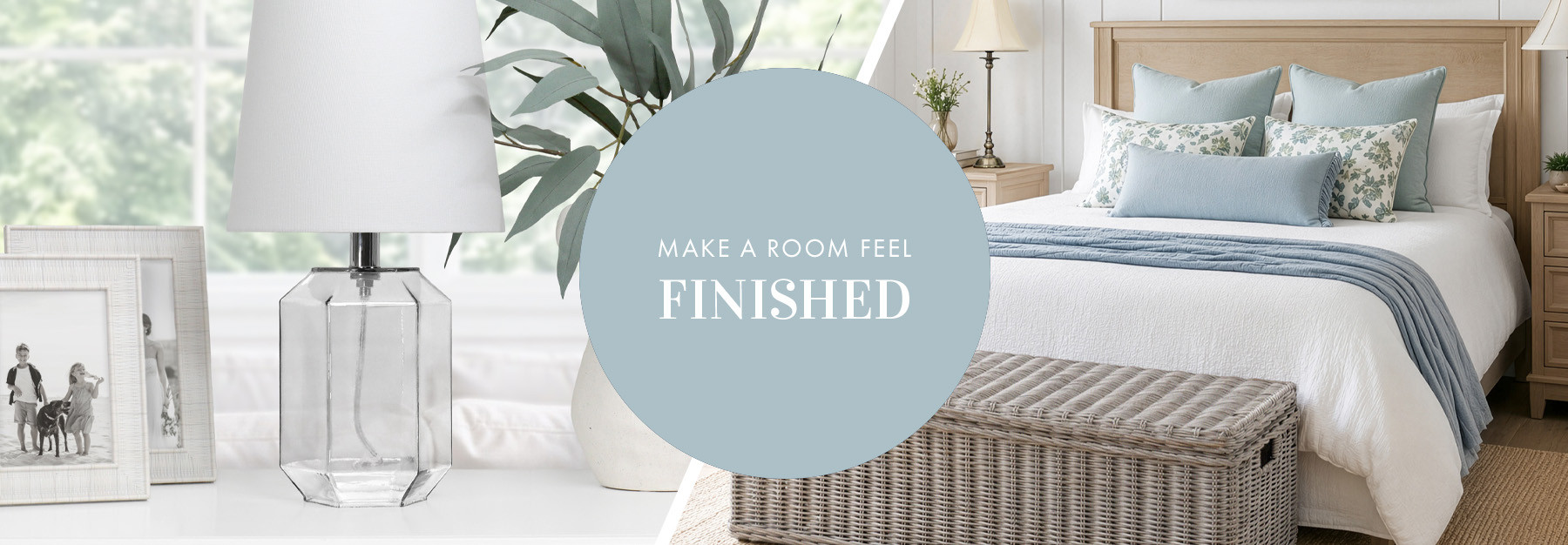
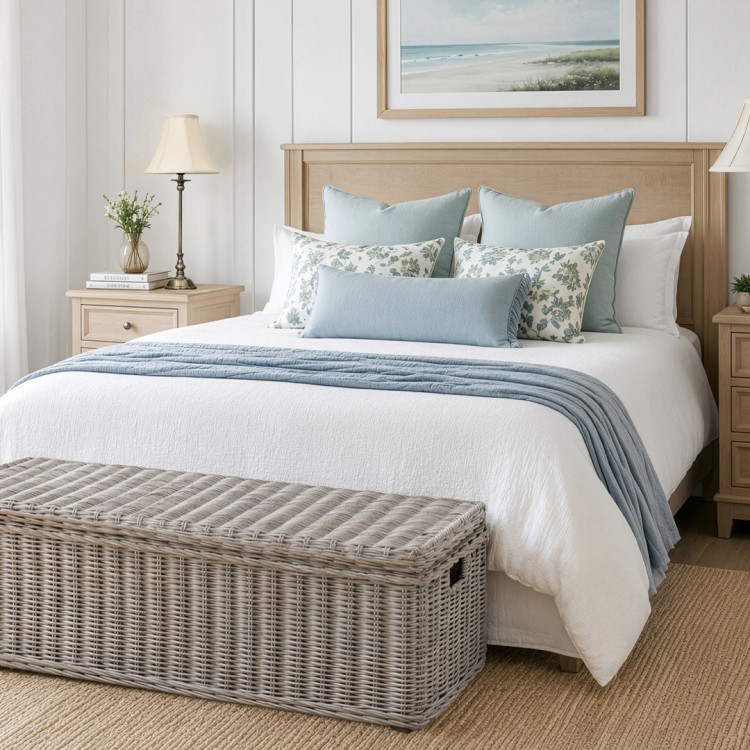
There's a lovely feeling that comes with walking into a room where everything seems to have found its place. The furniture feels comfortable, the colours sit beautifully together and those final decorative details bring a sense of warmth and personality. In the bedroom pictured above, softly layered blue cushions, coastal artwork and a woven storage trunk bring the space together, creating a relaxed and welcoming retreat.
Making a room feel finished doesn't mean filling every corner or creating a perfectly styled interior. Often, it's the thoughtful little additions that make the greatest difference, from a beautiful table lamp to a favourite piece of artwork or a vase filled with fresh greenery.
The secret is knowing which details will bring the room together while still allowing it to feel comfortable, personal and beautifully lived in.
Start With What Feels Missing
Before introducing anything new, take a moment to look at the room as a whole.
Sometimes a space has all the essential furniture but still feels as though something is missing. Perhaps the walls are a little bare, the lighting feels too harsh or the room needs a touch of softness.
Consider which areas feel unfinished rather than adding accessories simply to fill a space.
A generous artwork might bring balance to an empty wall, while a beautiful rug can help connect furniture that feels a little disconnected.
Often, identifying one missing element is all it takes to make the room feel more complete.
Give the Walls Some Attention
Bare walls can sometimes leave an otherwise beautifully furnished room feeling incomplete.
Artwork, mirrors and thoughtfully chosen wall decor bring personality and help establish the overall character of a space.
A large landscape print can create a lovely focal point above a sofa, while a pair of smaller framed artworks might bring a sense of balance to a bedroom.
Look for pieces that complement the colours and feeling of the room without needing to match every detail.
When choosing framed wall art, consider the surrounding furniture and the atmosphere you'd like to create.
The right artwork can make a room feel instantly more considered.
Add the Right Lighting
Lighting has a wonderful way of changing how a room feels.
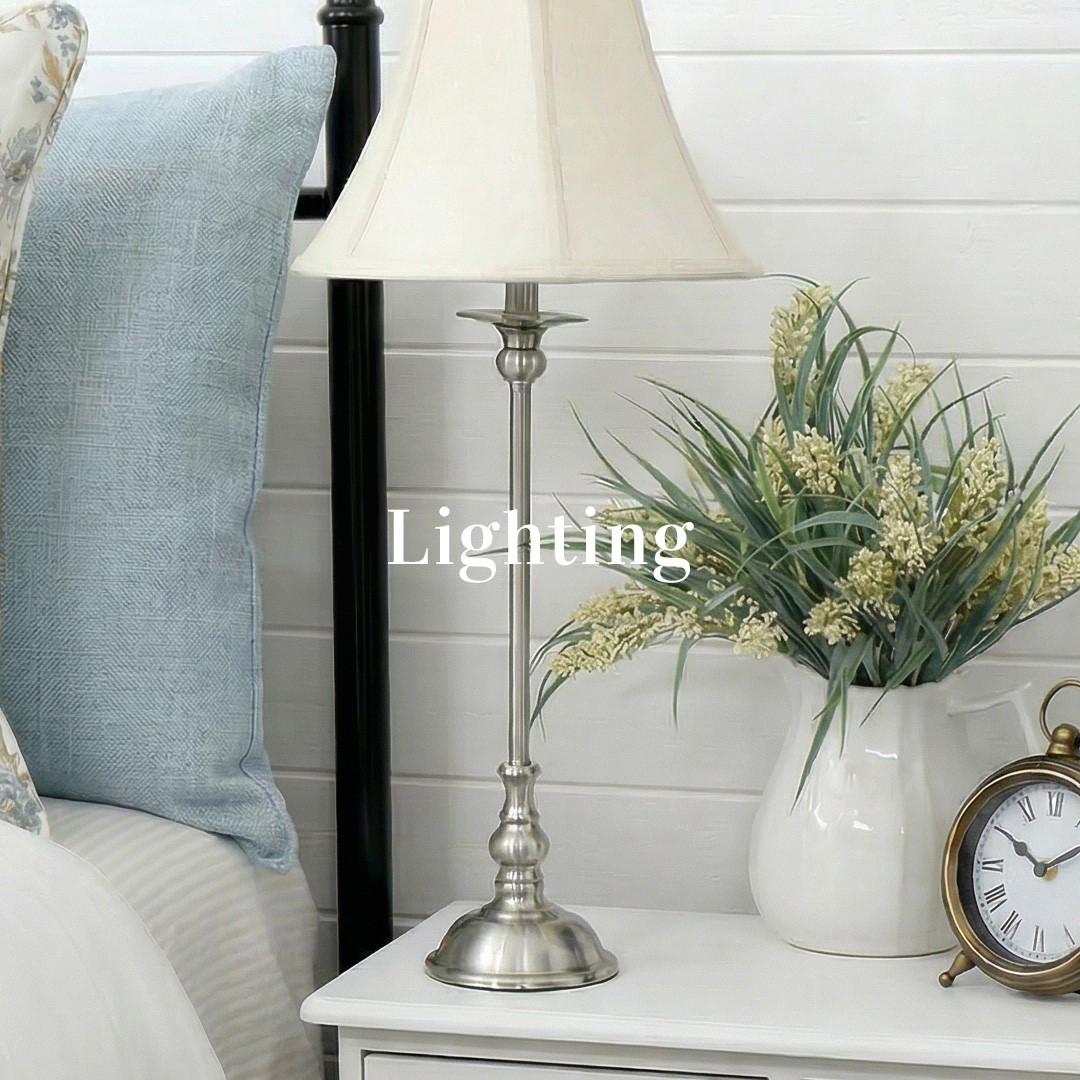
A beautiful table lamp can bring warmth to a quiet corner, while a pair of bedside lamps makes a bedroom feel more welcoming and complete.
Rather than relying entirely on overhead lighting, introduce smaller sources of light that create a softer atmosphere.
Think of a traditional lamp on a timber sideboard, a delicate wall light beside a reading chair or a softly glowing lamp on a bedside table.
When selecting table lamps, consider the shape, finish and character they bring to the room, even when they're switched off.
Lighting should feel like part of the decoration, not simply something practical.
Bring the Colours Together
A room often feels more complete when its colours have a gentle sense of connection.
This doesn't mean everything needs to match. Instead, look for opportunities to repeat a favourite shade in subtle, thoughtful ways.
A soft blue from a landscape painting might appear again in a cushion, while the warm tones of timber furniture can be echoed through a woven basket or decorative accessory.
These small connections help different parts of the room feel as though they belong together.
Try choosing two or three colours that already appear in the space and allowing them to guide your final decorative touches.
The result feels harmonious without looking overly coordinated.
Soften the Space With Furnishings
Sometimes all a room needs is a little more softness.
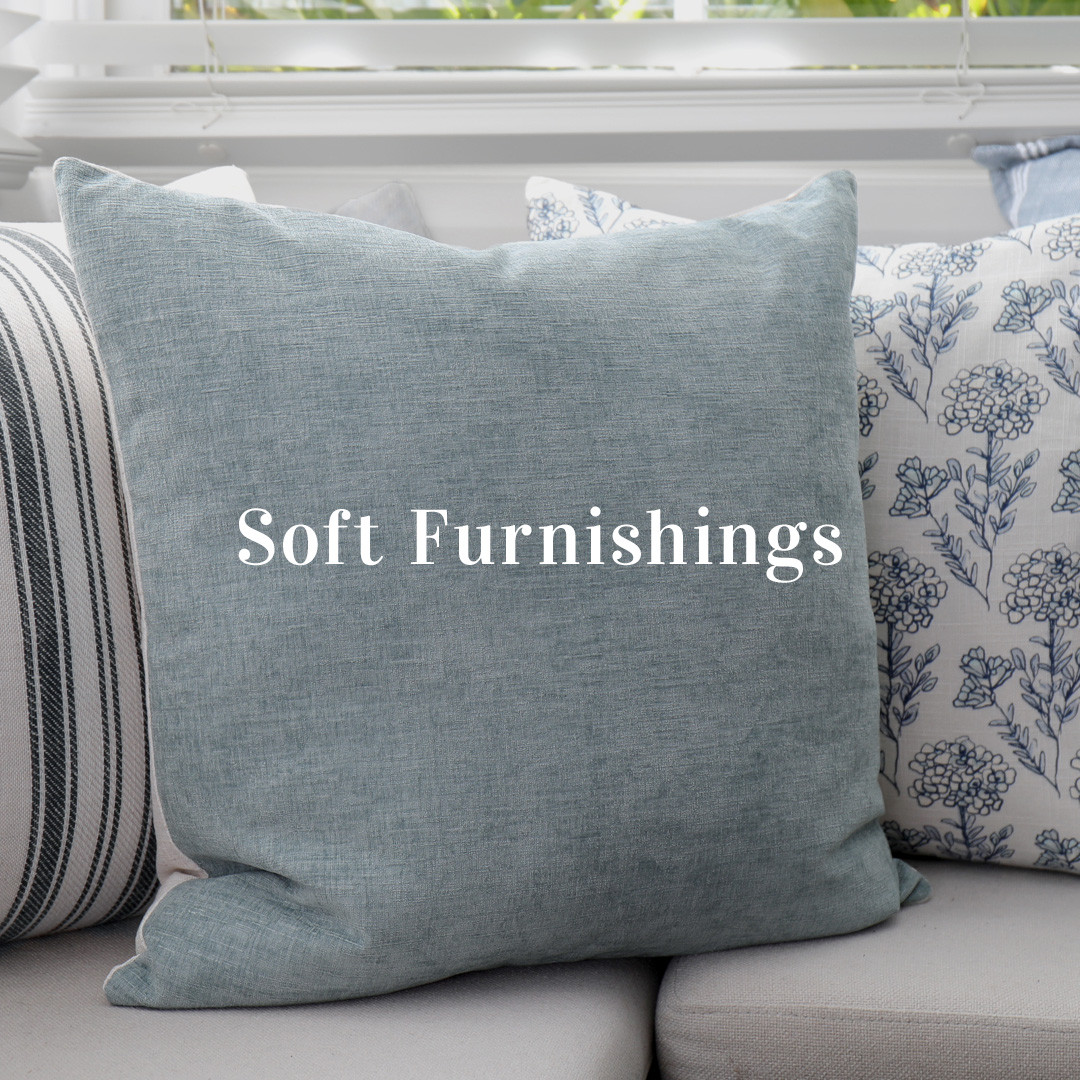
Cushions, throws, rugs and curtains bring comfort to an interior while helping furniture feel more inviting.
A beautifully made bed can feel even more welcoming with a few thoughtfully chosen cushions and a relaxed throw folded across the end.
In a living room, a soft rug beneath the coffee table can help anchor the seating area, while curtains add warmth and gentle movement around the windows.
When styling cushions and throws, look for fabrics that complement the room's colours and introduce a little variation in texture.
These finishing layers make a space feel comfortable and ready to be enjoyed.
Give Surfaces a Purpose
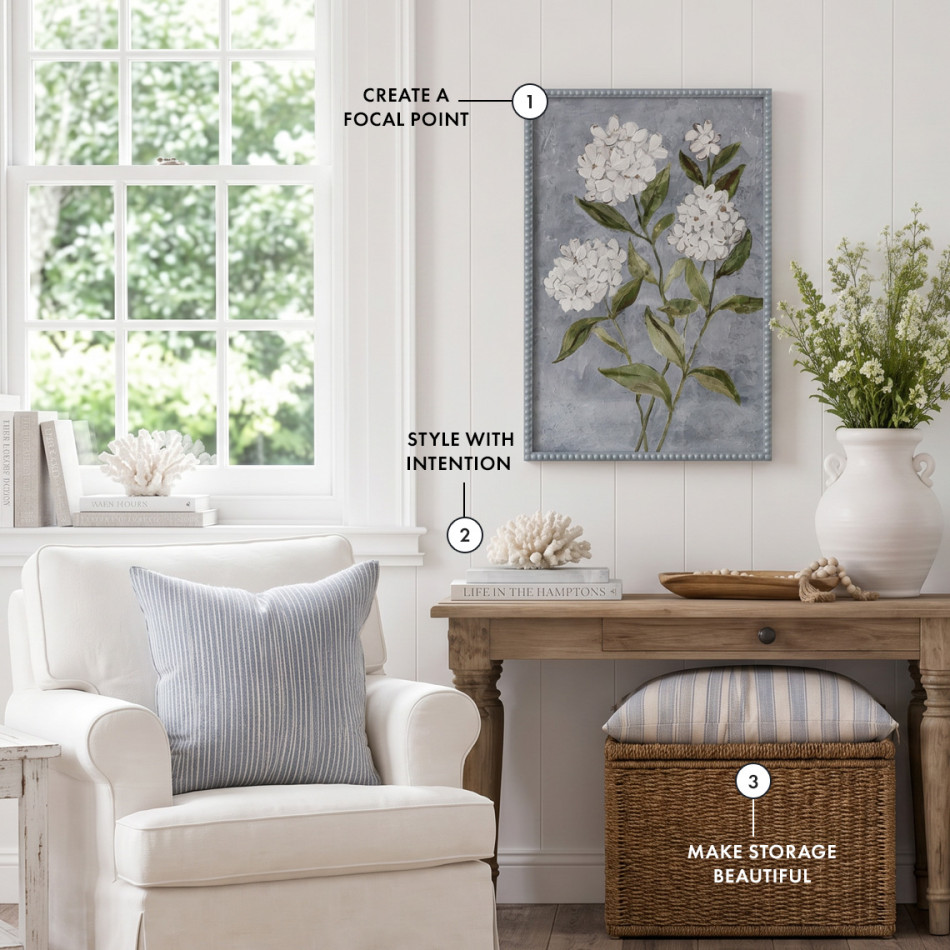
An empty console or bedside table can make a room feel unfinished, but filling it with too many objects can have the opposite effect.
Instead, choose a few pieces that bring both beauty and purpose to the surface.
A lamp, a small stack of books and a vase of greenery might be all that's needed to complete a bedside table.
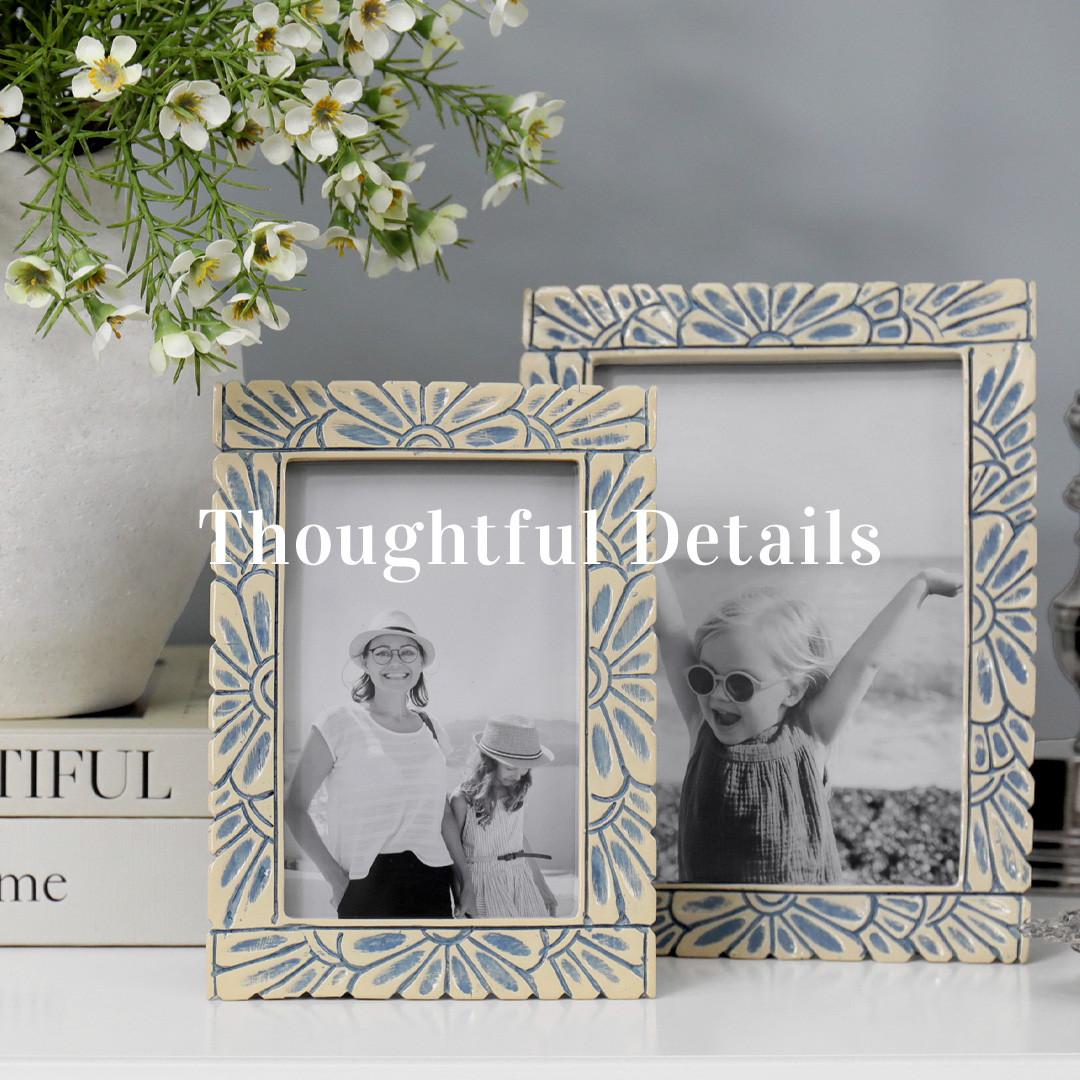
On a console, a favourite decorative bowl or framed photograph can introduce personality without making the arrangement feel crowded.
When choosing decorative home accessories, think about how each piece contributes to the overall feeling of the room.
A few thoughtfully placed details often have more impact than a large collection of accessories.
Introduce Something Natural
Natural elements have a lovely way of making a room feel fresh and welcoming.
A simple arrangement of flowers, a few leafy branches or a beautiful woven basket can bring warmth to a space that feels a little too polished.
Fresh greenery is particularly lovely alongside timber furniture, ceramics and soft neutral furnishings.
Try placing a small vase of seasonal flowers on a bedside table or introducing a generous branch arrangement to a console.
Even a single natural detail can soften the surrounding furniture and bring a sense of life to the room.
It's often these little touches that make a space feel more relaxed.
Don't Forget the Practical Details
A finished room should feel just as comfortable to live in as it is beautiful to look at.
Thoughtful storage can make a wonderful difference, particularly in bedrooms and living spaces where everyday items need somewhere to belong.
A woven trunk at the end of a bed can hold spare blankets, while decorative baskets are lovely for keeping cushions, magazines or smaller essentials neatly tucked away.
Look for storage baskets and trunks that complement the furniture and materials already in the room.
Practical pieces can be just as beautiful as decorative ones, adding character while helping the space feel calm and organised.
When everything has its place, the room naturally feels more complete.
Add Something Personal
The loveliest finishing touches are often the ones that tell a little story.
A favourite photograph, an ornament discovered while travelling or a beautiful book you've treasured for years can bring a sense of familiarity to a room.
These details don't need to be expensive or perfectly coordinated with the surrounding decor.
In fact, it's often the pieces that feel a little unexpected that make an interior more interesting.
Choose a few meaningful objects and give them a place where they can be enjoyed every day.
A room feels truly finished when it reflects the people who live there.
Know When to Stop
One of the most important finishing touches is knowing when a room has enough.
It's tempting to keep adding decorative pieces, particularly when there's an empty corner or surface that could hold something more.
But a beautifully finished room should still have space to breathe.
Step back and look at how the furniture, artwork, lighting and accessories work together.
If the room feels comfortable, balanced and welcoming, you may find that nothing more is needed.
Sometimes the final step is simply appreciating what you've already created.
The Finishing Touch
Making a room feel finished is less about achieving perfection and more about creating a space that feels complete, comfortable and personal.
From the warmth of a table lamp to the softness of a favourite cushion or the character of a beautiful artwork, it's these thoughtful details that bring a room to life.
Take your time choosing pieces you love, allow the room to evolve naturally and remember that not every surface needs something added to it.
The most beautiful rooms are those where everything feels considered, yet nothing feels too carefully arranged. A welcoming home, after all, is one that feels just as lovely to live in as it does to look at.