How to Get Scale Right When Decorating
How to Get Scale Right When Decorating
Beautiful decorating is about more than choosing pieces you love. Discover how thoughtful proportions, the right furniture sizes and a little variation in height can bring balance, warmth and a natural sense of harmony to every room.
There's something wonderfully inviting about a room where everything feels just right. The furniture sits comfortably within the space, artwork feels perfectly placed and decorative pieces complement one another without competing for attention.
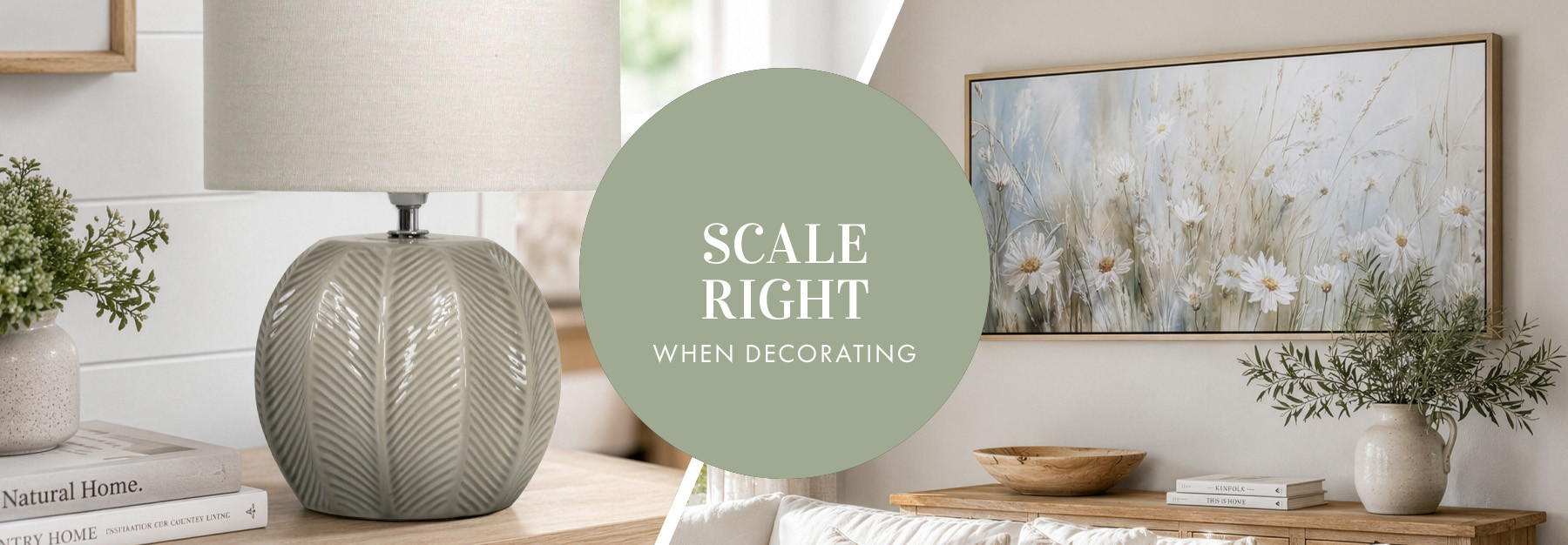
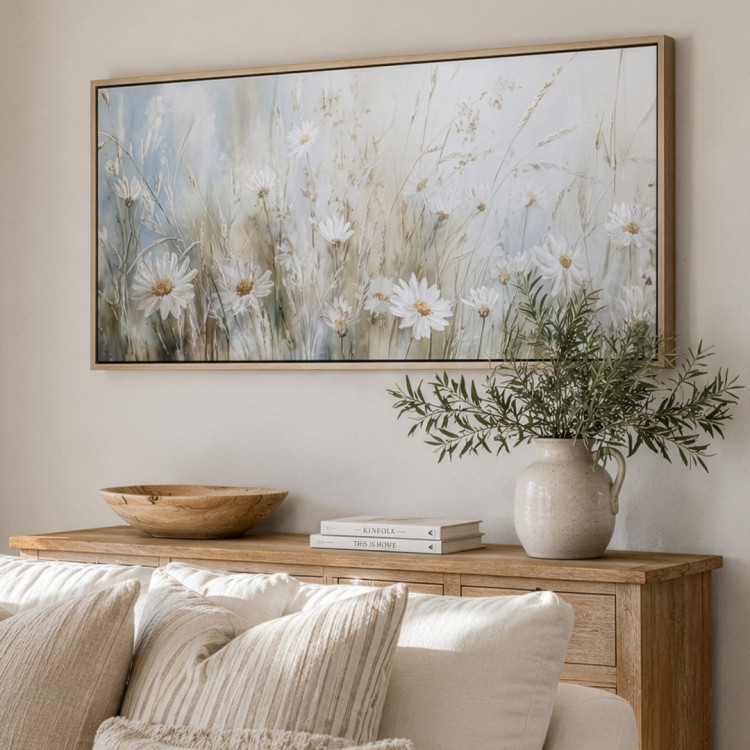
Often, the secret is scale. It's what makes a generous vase feel at home on a sideboard, a beautiful piece of artwork sit comfortably above furniture or a collection of cushions look inviting rather than overcrowded. In the photograph above, the large floral artwork anchors the arrangement, while the low timber bowl, stacked books and leafy ceramic vase create a lovely balance of height and proportion.
Getting scale right doesn't mean following a collection of strict decorating rules. It's about understanding how pieces relate to one another and finding that comfortable balance between too much, too little and just enough.
What Is Scale in Interior Decorating?
Scale refers to the size of an object in relation to the room around it, while proportion describes how the different parts of an arrangement relate to one another.
A large sofa might feel beautifully generous in an open living room but overwhelming in a smaller space. Similarly, a delicate vase can disappear on a substantial dining table, while a taller, more sculptural piece feels perfectly at home.
Understanding scale and proportion in interior design helps you make decorating decisions with greater confidence.
The aim isn't to make everything the same size. It's to choose pieces that feel connected, allowing the room to have a natural sense of balance.
Start With the Size of the Room
Before choosing furniture or decorative pieces, take a moment to consider the room itself.
Ceiling height, natural light, windows and the amount of available floor space all influence how furnishings will feel.
A room with high ceilings can often accommodate taller furniture, larger artwork and more generous lighting, while smaller rooms benefit from pieces that leave enough space to move comfortably.
That doesn't mean everything in a small room needs to be small. In fact, one well-chosen, substantial piece can create a calmer, more considered look than several smaller items competing for attention.
When choosing furniture for a room, think about how each piece works within the overall space rather than considering it in isolation.
Choose Furniture That Feels Comfortable
Furniture should feel generous enough to be inviting without overwhelming the room.
A sofa, for example, needs to relate comfortably to the coffee table, armchairs and surrounding floor space.
An oversized coffee table can make a seating area feel crowded, while one that's too small may appear disconnected from the sofa.
As a starting point, a coffee table around two-thirds the length of your sofa often creates a pleasing proportion. Its height should generally sit close to, or slightly below, the sofa seat.
Allow enough room to walk around furniture and reach everyday essentials without feeling restricted.
The most successful rooms are those where furniture feels naturally placed and everyday living remains easy.
Let Artwork Suit the Space
Artwork has a wonderful ability to change the feeling of a room, particularly when its size is thoughtfully chosen.
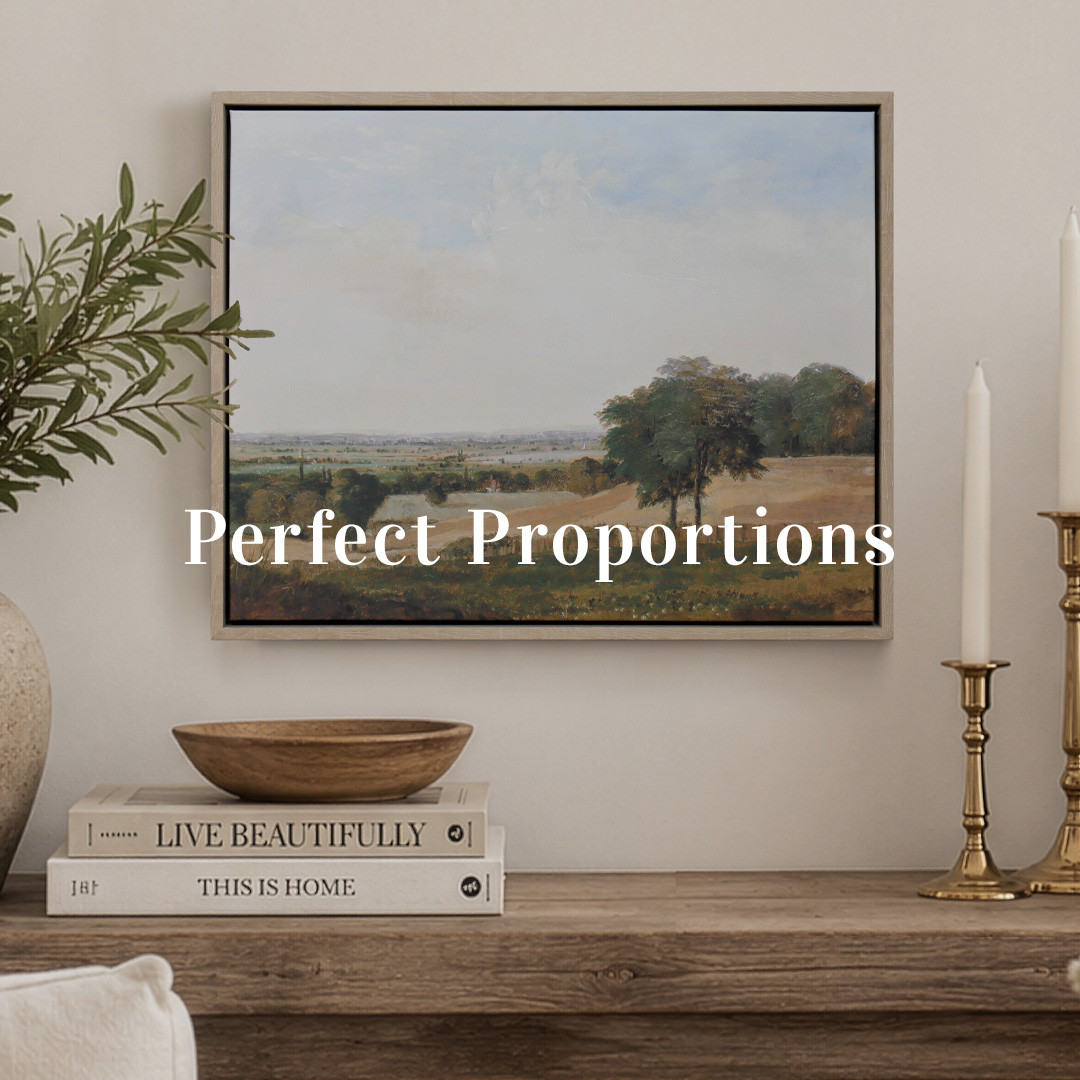
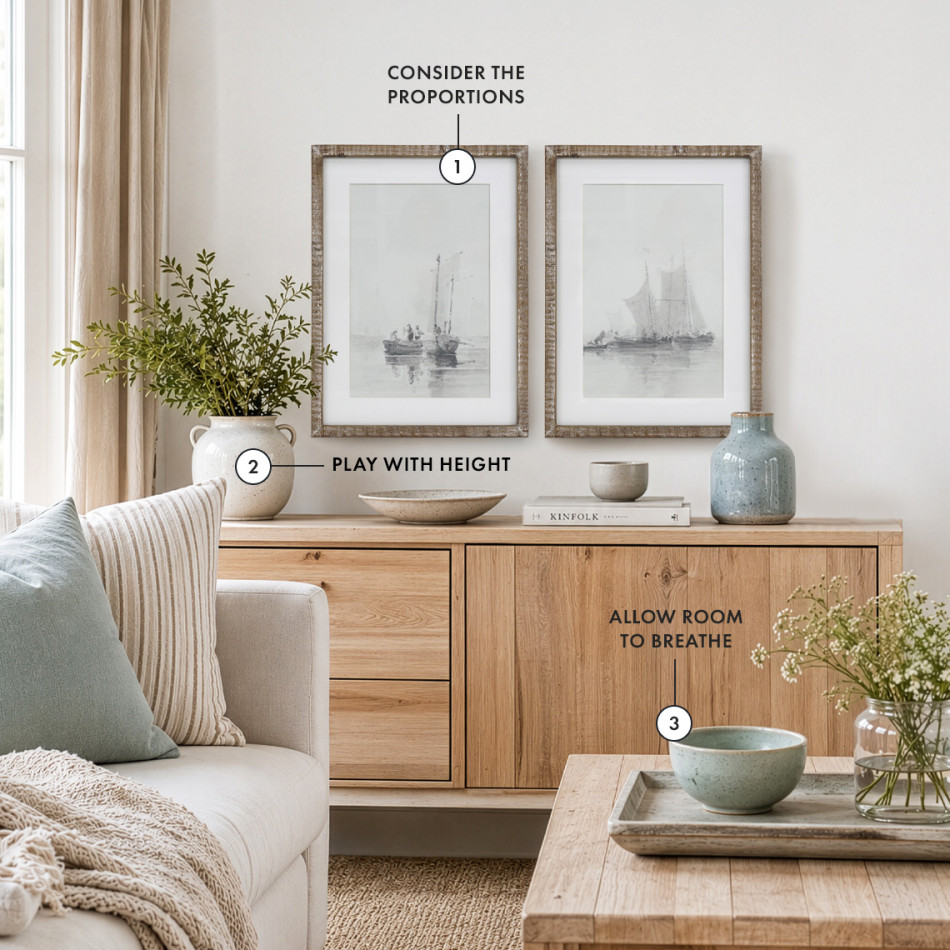
A small picture above a generous sideboard can feel a little lost, while a larger piece helps create a beautiful connection between the wall and furniture beneath it.
As a useful guide, artwork displayed above a sofa, console or sideboard often looks balanced when it measures approximately two-thirds to three-quarters of the furniture's width.
When choosing the right size artwork, consider the frame, surrounding wall space and the height at which the piece will hang.
Larger artwork can create a lovely sense of calm because it gives the eye somewhere to settle.
The aim is to make the artwork feel connected to the furniture rather than floating separately above it.
Play With the Height of Decorative Pieces
A beautifully styled surface usually includes a gentle variation in height.
Imagine a sideboard with three small objects sitting at exactly the same level. Even if each piece is lovely, the arrangement may lack interest.
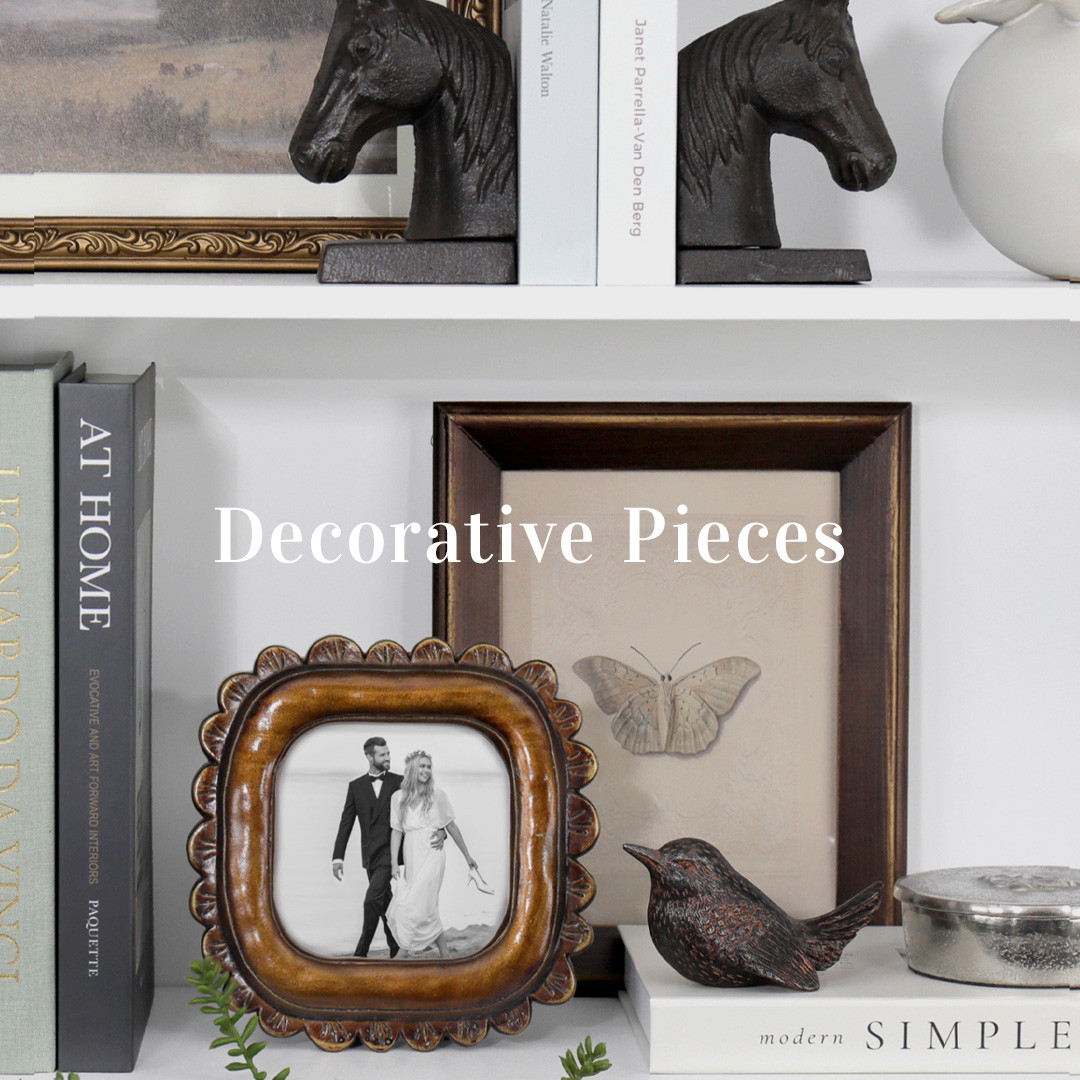
Introducing a taller vase, a lower bowl or a small stack of books creates a more natural visual flow.
When styling decorative accessories, begin by considering the height of the furniture and the space above it.
A substantial sideboard can accommodate a generous vase or statement lamp, while a delicate bedside table may feel more comfortable with smaller pieces.
Allow taller objects to create interest without obscuring artwork or making the arrangement feel crowded.
Get the Proportions of Lamps Right
A table lamp should feel like a natural extension of the furniture it sits on.
A tiny lamp on a large console can look underwhelming, while an oversized shade may dominate a narrow bedside table.
Consider both the lamp base and shade, paying attention to their combined height and width.
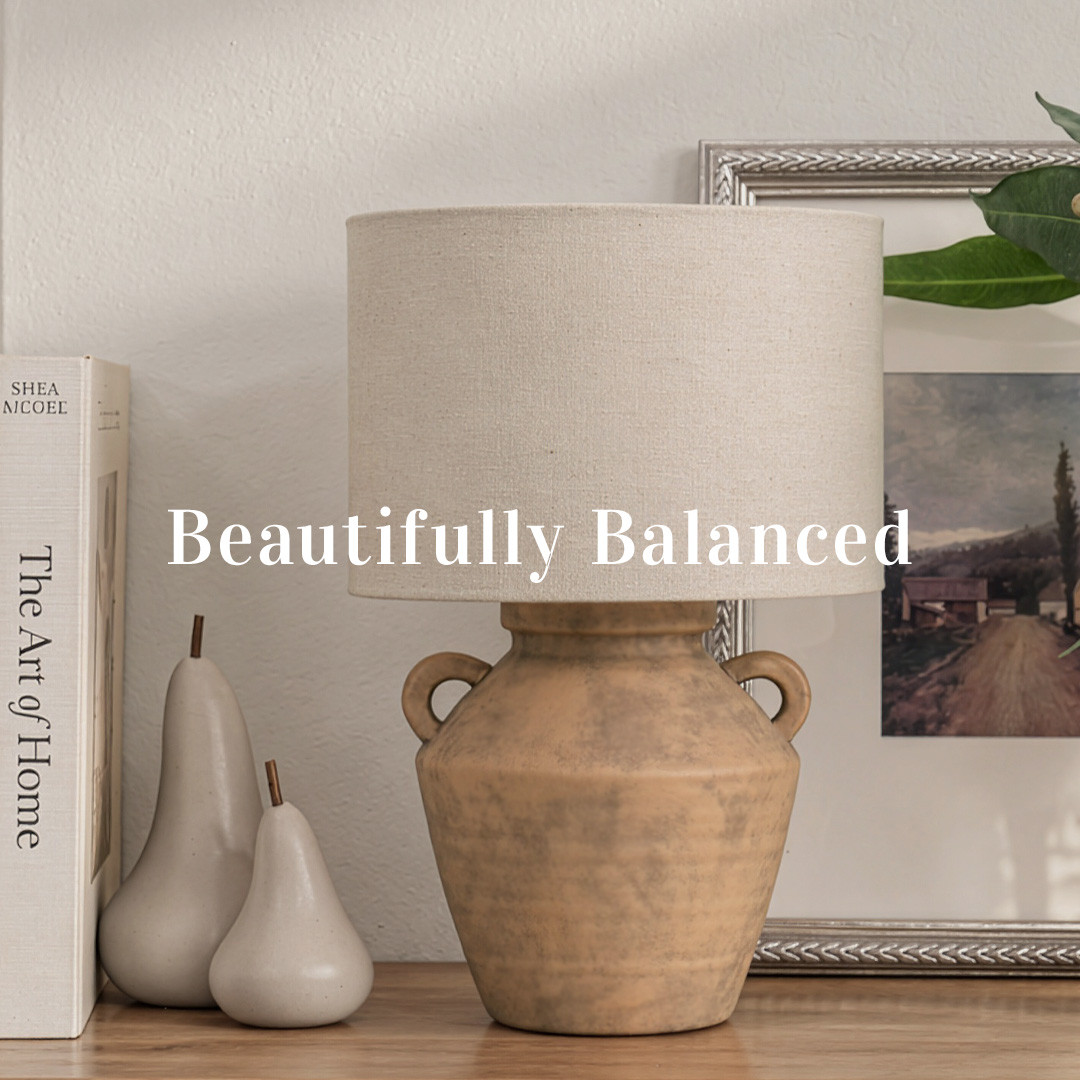
A generous ceramic lamp can work beautifully on a substantial sideboard, particularly when balanced by artwork or decorative objects nearby.
For bedside lighting, the shade should sit at a comfortable height for reading and everyday use.
When choosing table lamps, think about how the lamp looks both when it's switched on and as part of the room during the day.
A well-proportioned lamp adds more than light. It brings shape, presence and another beautiful layer to the room.
Consider Cushion Size and Shape
Cushions are one of the simplest ways to introduce softness, but their proportions can make a surprising difference.
A generous sofa often benefits from larger cushions that feel comfortable against its deep seating, while a smaller armchair may need just one beautifully chosen design.
Mixing sizes can create a relaxed, layered look, particularly when the larger cushions sit behind smaller accent pieces.
Be mindful of filling every available space. Too many cushions can make even the loveliest sofa feel difficult to use.
Choose sizes that complement the furniture and allow the fabrics, patterns and textures to be appreciated.
The result should feel comfortable first and beautifully styled second.
Make Vases and Flowers Feel Proportional
A vase should feel suited to both the surface it sits on and the flowers or branches it holds.
A tall arrangement can bring wonderful presence to a dining table or console, but may feel overwhelming on a small side table.
Similarly, a wide, rounded vase can beautifully complement a generous timber surface, while a slimmer design may suit a narrow shelf.
Consider the overall silhouette of the arrangement, including the height and spread of the foliage.
For dining tables, lower arrangements often work best when people need to see comfortably across the table.
Choosing the right proportions allows flowers and greenery to feel naturally integrated into the room.
Give Baskets and Storage Their Place
Practical storage can be just as important to the visual balance of a room as furniture and artwork.
A generous woven basket beside an armchair can help ground the arrangement, while a smaller basket beneath a console introduces texture without taking over the space.
Think about the relationship between the basket and the furniture surrounding it.
A low, wide basket often suits open shelving or the space beneath a bench, while a taller design can work beautifully beside a sofa.
Avoid choosing storage simply because it fits an empty corner.
The most successful pieces have enough presence to feel intentional while still serving a useful purpose.
Don't Forget the Space Between
Sometimes, getting scale right has less to do with the objects themselves and more to do with the space around them.
A beautiful sideboard doesn't need every inch of its surface filled, just as a wall doesn't always need another picture.
Leaving room around larger pieces allows their shape, texture and character to be appreciated.
When arranging decorative objects, look at the overall silhouette from a distance. Does one side feel too heavy? Is everything sitting at the same height? Is there enough space for the eye to rest?
A little breathing room often makes an arrangement feel more elegant and considered.
It's these quieter moments that allow the loveliest details to shine.
Trust Your Eye and Make Small Adjustments
Measurements and decorating guidelines are helpful, but the final decision should always come back to how a room feels.
Try stepping back and looking at an arrangement from different angles.
Move a vase slightly, change the height of a stack of books or experiment with a larger piece of artwork.
Sometimes the smallest adjustment can make everything feel more connected.
Take photographs as you style. Seeing a room through a photograph can make differences in scale and proportion easier to recognise.
And remember that a home doesn't need to be perfectly arranged to feel beautiful. A little individuality is often what gives a space its warmth and character.
The Finishing Touch
Getting scale right is one of those decorating skills that becomes easier the more you practise.
By considering the size of your furniture, choosing artwork that suits the space and introducing decorative pieces with thoughtful proportions, you can create rooms that feel balanced, comfortable and beautifully put together.
Start with the pieces you already love, give them room to breathe and make adjustments until everything feels naturally connected.
Because the most inviting homes aren't about perfect measurements. They're about finding that lovely sense of balance that makes a room feel just right.