How to Add Colour to a Neutral Room
How to Add Colour to a Neutral Room
Love the calm simplicity of a neutral home but feel it's missing a little something? Discover how to introduce colour through beautiful accents, gentle contrasts and thoughtfully chosen pieces that bring warmth, personality and a fresh perspective to your favourite spaces.
There's something wonderfully comforting about a neutral room. Soft whites, warm creams and gentle earthy tones create a beautiful sense of calm, allowing furniture, textures and favourite pieces to feel right at home. But sometimes, even the most thoughtfully decorated space can benefit from a little colour to bring it to life.
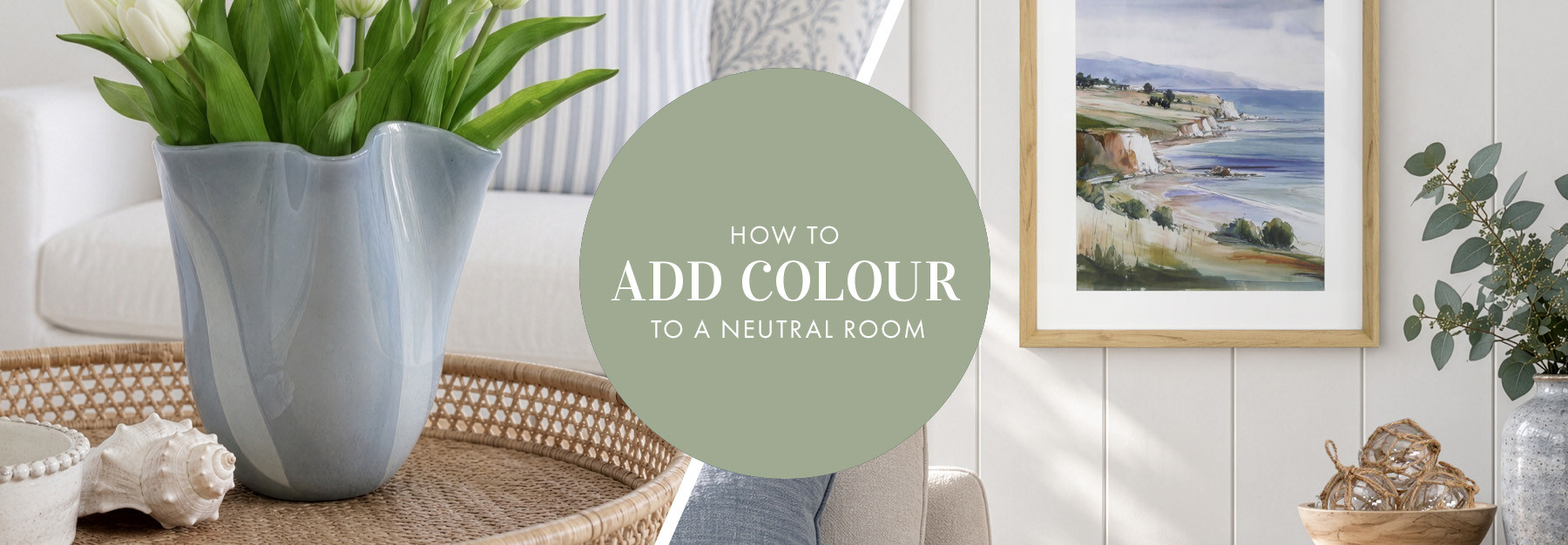
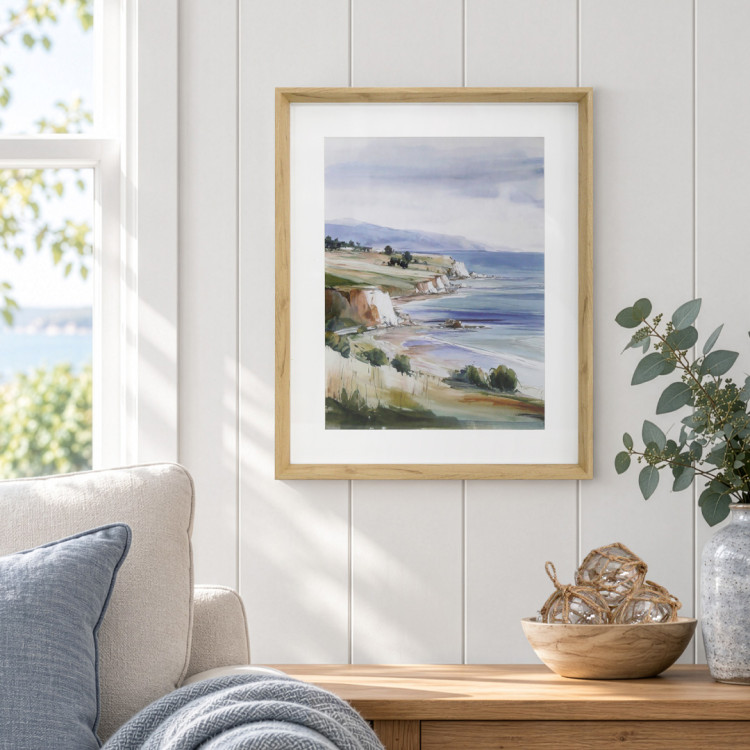
The beauty of decorating with neutrals is that you already have the perfect foundation. A touch of muted blue, a hint of sage green or the warmth of a soft terracotta can completely change the feeling of a room without taking away from everything you already love. As the beautifully styled space above illustrates, a few carefully chosen touches of colour can bring a fresh sense of personality to a neutral interior.
The secret isn't necessarily to introduce more colour, but to choose where it will make the greatest difference. From a beautiful piece of artwork to a handful of carefully chosen accessories, even the smallest additions can make a room feel more inviting, interesting and entirely your own.
Start With a Colour You Love
Before introducing colour into a neutral room, think about the shades you're naturally drawn to.
Perhaps it's the soft blue of a favourite ceramic vase, the muted green of garden foliage or the warm blush tones in a piece of artwork. Often, the colours we love most are already present in the things we've collected over time.
Rather than choosing a shade simply because it's popular, look for something that feels comfortable alongside your existing furniture and finishes.
When exploring neutral room colour ideas, consider the mood you'd like to create. Gentle blues and greens can feel fresh and restful, while earthy reds, ochres and warm pinks introduce a little more richness.
Begin with one colour you genuinely love and allow it to guide your decorating choices.
Let Your Existing Neutrals Lead the Way
Not all neutral rooms have the same undertones, and understanding yours can make choosing colour much easier.
Warm neutrals, such as cream, oatmeal and beige, often sit beautifully alongside olive green, muted rust, dusty pink and soft golden tones.
Cooler neutrals, including pale grey and crisp white, can be complemented by washed blue, sage and deeper charcoal accents.
If your room features a mixture of warm and cool finishes, look for colours that help bring them together. A soft blue-green, for example, can feel lovely alongside both warm timber and pale grey upholstery.
Pay attention to the larger pieces that will remain in the room, particularly flooring, sofas and cabinetry.
Choosing colours that complement these existing elements helps the new additions feel natural rather than introduced as an afterthought.
Begin With One Beautiful Accent
You don't need to transform an entire room to make colour feel present.
Sometimes, one beautifully chosen piece is enough to change the atmosphere.
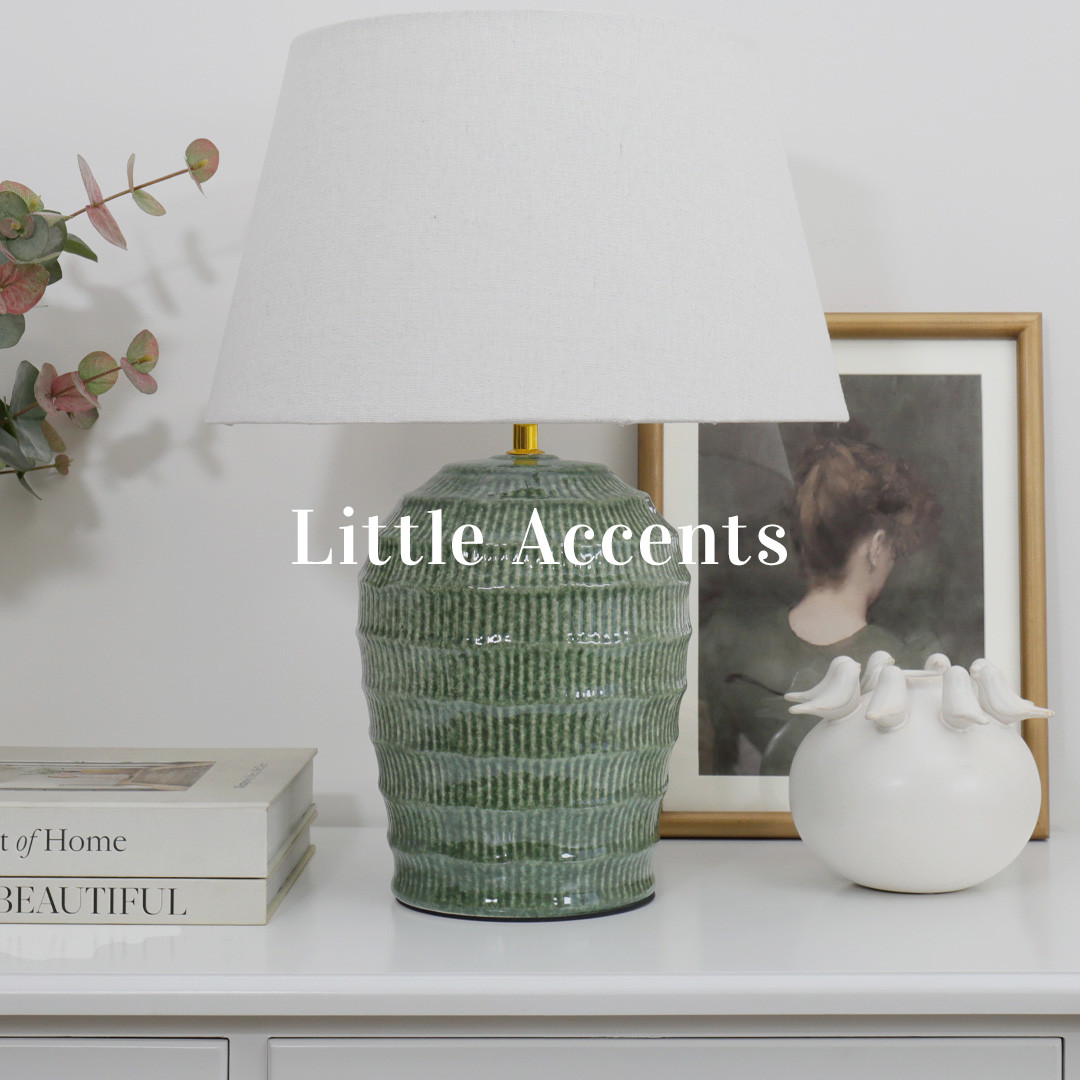
A colourful ceramic lamp on a bedside table, a patterned cushion on a linen armchair or a statement vase on a console can create a lovely focal point.
If you're unsure where to begin, choose an accessory that's easy to move or replace. This gives you the freedom to experiment without making a lasting commitment.
When choosing colourful home accessories, look for pieces that appeal to you beyond their colour alone. An interesting shape, beautiful finish or favourite pattern makes the addition feel more meaningful.
It's a simple way to introduce personality while keeping the room's neutral foundation intact.
Find Inspiration in Artwork
Artwork can be a wonderful starting point when introducing colour into a room.
A beautiful landscape, floral painting or abstract print can bring several complementary shades together, giving you a natural palette to work from.
Look closely at the colours within the artwork.
You might notice a soft green that would look lovely in a cushion, or a muted blue that could be repeated through a decorative vase.
There's no need to match the colours exactly. Subtle variations often create a more relaxed and interesting result.
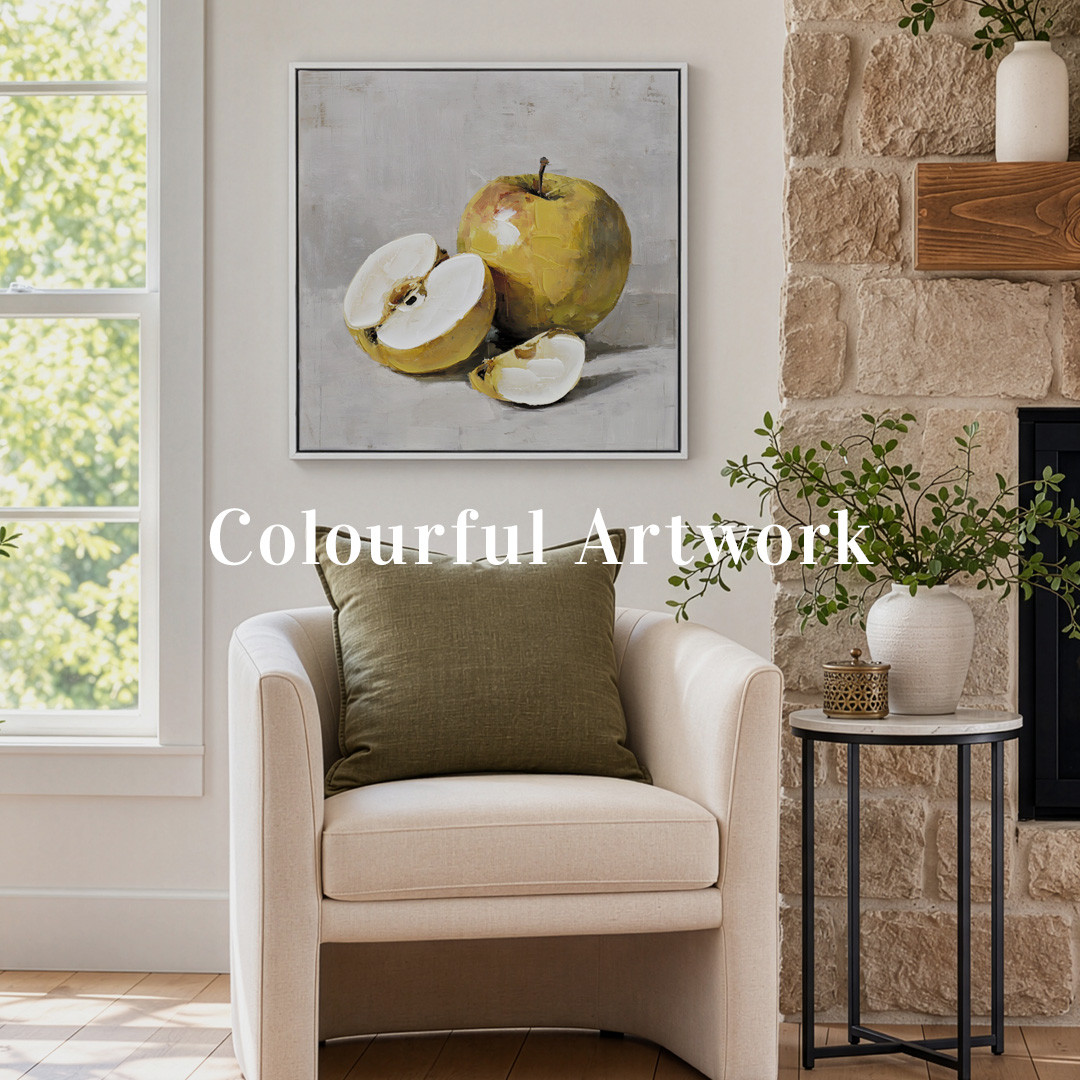
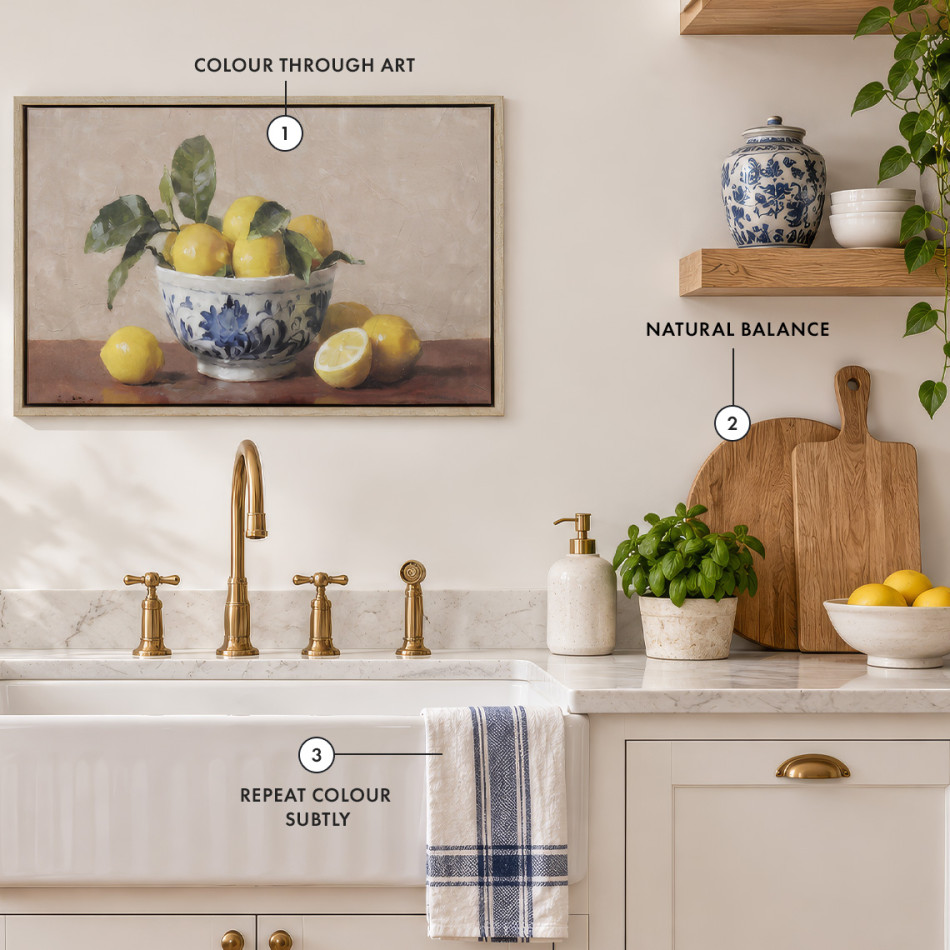
For a room that feels particularly neutral, a larger artwork can introduce colour without requiring lots of additional accessories.
Let the artwork lead the way, then choose one or two smaller details that gently echo its colours elsewhere in the room.
Add Colour Through Cushions and Throws
Textiles are one of the easiest ways to refresh a neutral interior.
A few beautifully chosen cushions can introduce colour, pattern and softness, while a throw draped over an armchair brings another opportunity to experiment.
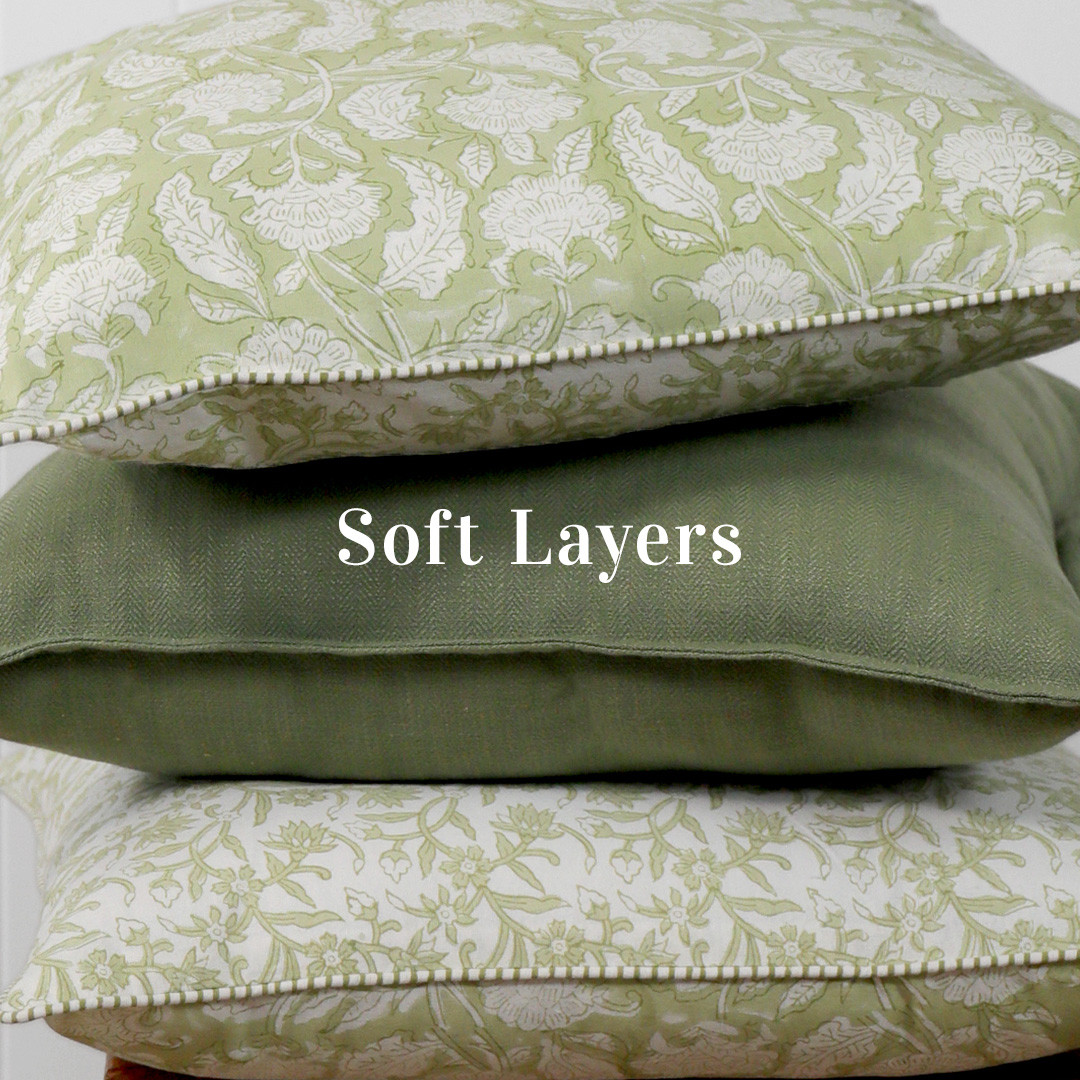
Rather than replacing every cushion at once, begin by introducing one patterned design that incorporates your chosen accent colour.
Pair it with a quieter plain cushion or a softly textured fabric in a complementary shade.
When styling coloured cushions for a neutral sofa, consider varying the intensity of the colour. A deeper accent can sit beautifully alongside a softer, more faded version of the same shade.
This creates a gentle sense of movement across the arrangement, allowing the colour to feel naturally layered rather than overly coordinated.
Repeat Colour With a Light Touch
One of the simplest ways to make colour feel intentional is to repeat it in a few different places.
A soft green cushion might be complemented by a ceramic vase on a nearby table, while a little green within a framed print helps connect the two.
The pieces don't need to match, and they certainly don't need to be identical shades.
Try introducing your chosen colour in two or three areas of the room, allowing the eye to move comfortably between them.
Consider varying the size of each accent. A larger piece of artwork might provide the main colour statement, while a small decorative bowl or patterned cushion offers a quieter reference.
This subtle repetition helps the room feel cohesive without making every corner look the same.
Introduce Colour Through Ceramics
Ceramics are a lovely way to bring colour into a neutral home, particularly if you prefer smaller decorative changes.
A softly glazed green vase, a blue patterned ginger jar or a warm terracotta bowl can introduce beautiful colour while adding character to a shelf, coffee table or sideboard.
Consider how the finish affects the overall look. A glossy ceramic can bring a fresh, polished quality, while a matte or softly weathered surface feels more understated.
When choosing decorative coloured vases, look at how their shapes and finishes work alongside the surrounding objects.
A single statement vessel can be particularly effective against a simple neutral background, allowing its colour and silhouette to stand out.
For a softer arrangement, pair a coloured ceramic with a few quieter pieces in cream, stone or natural timber.
Bring in the Colours of Nature
Some of the loveliest colours to introduce into a neutral room are those found just outside the window.
Fresh greenery, flowering branches and seasonal blooms can add life and interest without requiring a permanent change to your decorating.
A generous arrangement of leafy branches brings beautiful green tones into a room, while a small vase of garden flowers can introduce soft pinks, yellows or lavender.
Consider the vessel as part of the arrangement too. A simple white jug allows the flowers to become the focus, while a coloured ceramic can add another gentle layer.
Seasonal greenery also gives you the opportunity to enjoy different colours throughout the year.
It's a particularly lovely approach if you enjoy changing the feeling of your home with the seasons.
Give Smaller Spaces a Little Personality
Colour doesn't need to be reserved for the main living areas.
An entryway, bedside table or reading corner can be the perfect place to introduce a favourite shade.
A coloured lamp in a bedroom, a patterned runner in a hallway or a cheerful ceramic bowl beside the front door can bring character to spaces that are sometimes overlooked.
These smaller areas are also wonderful places to experiment with slightly stronger colours.
Because the accents are contained within a smaller setting, they can make an impression without changing the overall atmosphere of your home.
Think of these spaces as little decorating moments, each offering an opportunity to introduce something beautiful and unexpected.
Experiment With Gentle Contrasts
Adding colour to a neutral room doesn't always mean choosing something bright.
Sometimes, the most beautiful results come from subtle contrasts between shades that sit comfortably together.
A pale sage green against warm ivory, a dusty blue beside natural oak or a muted burgundy paired with soft beige can create interest without feeling dramatic.
If you prefer a more understated look, choose colours with a slightly greyed or faded quality.
For a stronger statement, introduce one deeper accent against the room's lighter surroundings.
When considering how to add colour to a beige living room, think about the contrast you want to create rather than simply choosing a brighter shade.
The right colour can bring a lovely sense of depth while allowing the neutral palette to remain the foundation.
Consider the Room's Natural Light
Colour can look surprisingly different depending on the light within a room.
A muted green may appear soft and grey in a shaded corner, then become warmer and more vibrant when placed near a sunny window.
Before choosing larger accessories or making more permanent changes, consider how your preferred colours look throughout the day.
Try placing a cushion, ceramic vase or fabric sample in different parts of the room to see how the colour responds.
Rooms with plenty of natural light can often accommodate deeper accents, while spaces with less daylight may benefit from softer shades that feel gentle and inviting.
It's worth taking a little time to observe these differences before settling on your final choices.
Know When You've Added Enough
The beauty of a neutral room is the sense of calm it creates, and introducing colour shouldn't mean losing that feeling.
Rather than filling every surface with colourful accessories, choose a few pieces that genuinely contribute to the room.
If you've introduced a beautiful statement artwork, you may only need one or two smaller accents to complete the look.
Similarly, a collection of colourful cushions might be balanced by simpler styling on nearby furniture.
Take a moment to look at the room as a whole and consider where your eye naturally settles.
Sometimes removing one accessory allows the remaining colours to feel even more beautiful.
The Finishing Touch
Adding colour to a neutral room is less about following a particular formula and more about finding the little touches that make a space feel like yours.
It might be a favourite blue vase, a softly patterned cushion, a beautiful piece of artwork or a handful of fresh flowers gathered from the garden.
Begin with something you love, introduce it thoughtfully and allow the room to evolve as you discover what feels right.
Because sometimes, all a neutral room needs is a little colour to bring out the beauty that was already there.